


NVIDIA and Sapphire have released separate security-focused updates for older GeForce and Radeon graphics cards, giving PC owners new driver and firmware packages to install even though some of the affected hardware is no longer receiving normal feature updates. NVIDIA’s GeForce Security Update Driver 582.78 targets Maxwell, Pascal and Volta GPUs, while Sapphire has published firmware updates for a range of Radeon RX 7000-series cards. Both updates are aimed at addressing security issues rather than improving gaming performance.
NVIDIA’s 582.78 driver is available for Windows 10 and Windows 11 systems using supported Maxwell, Pascal and Volta-based GeForce products. The list includes GeForce GTX 750-series, GTX 900-series and GTX 10-series cards, along with several TITAN models such as the TITAN V, TITAN Xp and Pascal-based TITAN X. NVIDIA says the release fixes multiple issues that could have security impacts.
That distinction matters because these older architectures have already moved out of NVIDIA’s regular Game Ready Driver cycle. Owners should not expect game optimizations, new graphics features or performance improvements from 582.78. Instead, the package exists specifically to keep aging hardware protected after routine feature development has ended.
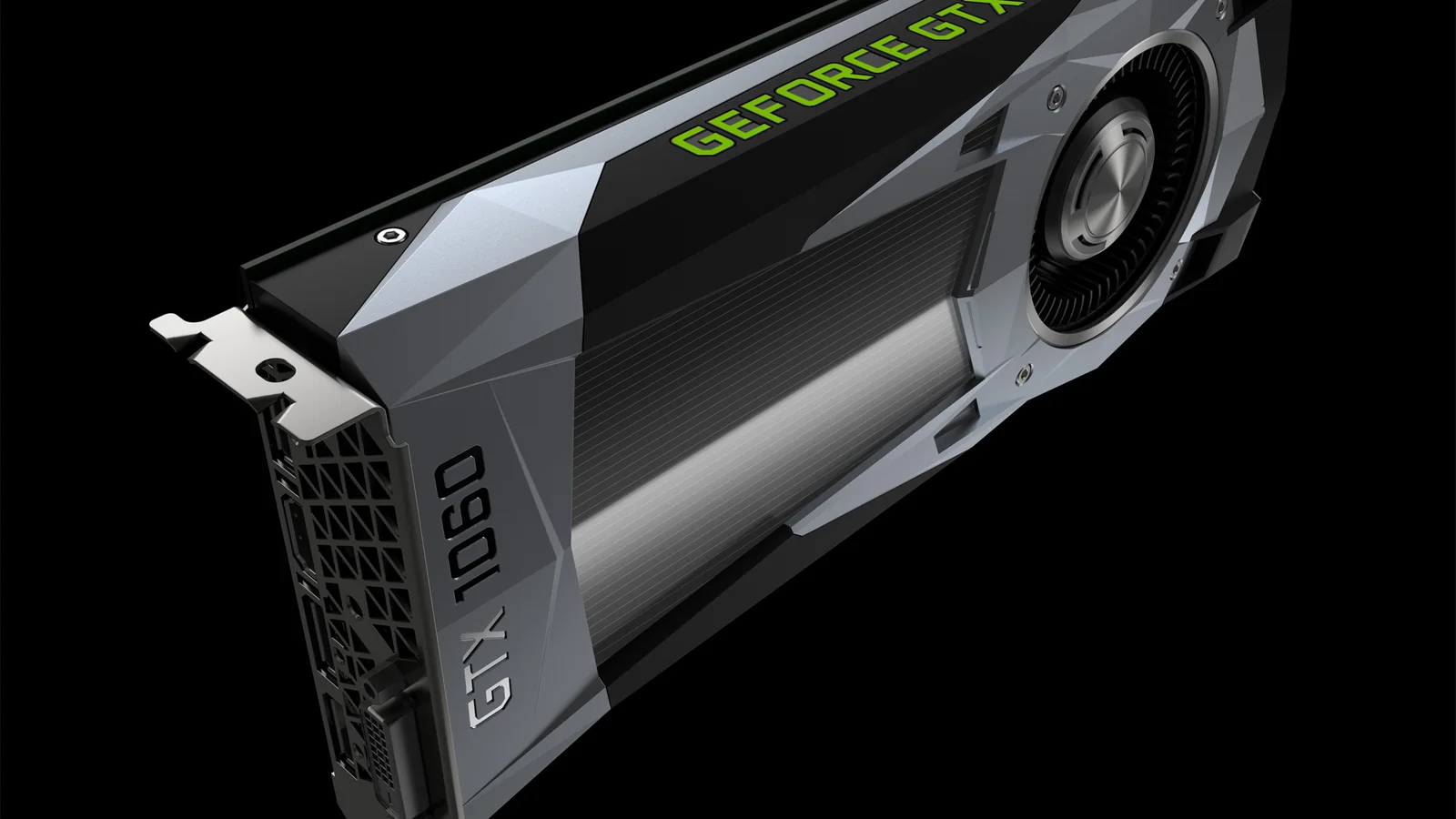
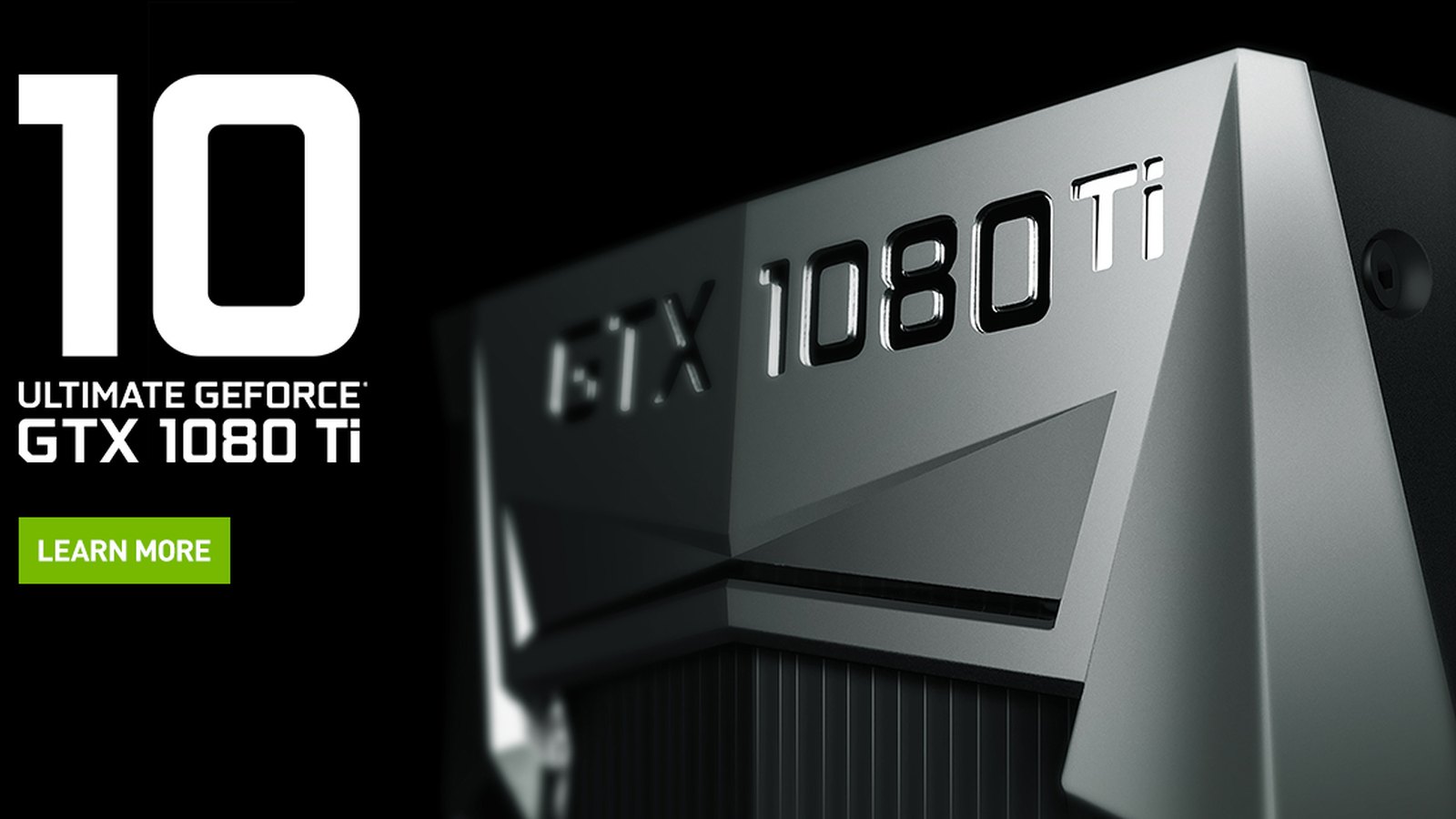
NVIDIA has committed to continuing critical security updates for Maxwell, Pascal and Volta through October 2028. Security advisories published alongside the current release identify driver versions before 582.78 as affected by some vulnerabilities, giving owners of supported GTX-era cards a clear reason to install the update. For anyone still running a GTX 1080 Ti, GTX 1060, GTX 980 Ti or similar card in an older gaming PC, the security branch is now the important update path.
Sapphire’s Radeon update is different because it modifies the graphics card firmware rather than installing a conventional Windows display driver. The manufacturer says it identified a security issue in collaboration with AMD and has released new firmware tools for affected models. Sapphire recommends that owners install the update to maintain security, stability and protection.
The affected Sapphire cards span much of the RDNA 3 lineup. Firmware packages are available for Radeon RX 7600, RX 7600 XT, RX 7650 GRE, RX 7700 XT, RX 7800 XT, RX 7900 GRE, RX 7900 XT and RX 7900 XTX models. At present, the publicly documented firmware release is specifically for Sapphire-branded cards, and there is no indication that every Radeon RX 7000 board from other manufacturers requires the same procedure.
Updating GPU firmware carries more risk than installing an ordinary graphics driver. Sapphire’s instructions require an AMD Adrenalin driver to be installed first, and the company warns that the system must not lose power during the flashing process. The procedure can take roughly 15 to 20 minutes, meaning users should follow the vendor’s instructions carefully rather than treating it like a routine driver update.
Sapphire has not publicly detailed the exact vulnerability being addressed, beyond saying the firmware improves security after an issue was identified with AMD. That leaves some uncertainty around how exploitable the problem is and whether equivalent updates will appear from other board partners. Until additional vendors publish their own guidance, owners should avoid assuming that a firmware package intended for one Sapphire model applies to another manufacturer’s card.
The two updates highlight a broader issue for PC enthusiasts who continue using older or long-lived graphics hardware. A GPU can remain perfectly capable of running games after mainstream driver development slows down, but security support can continue separately for years. That makes it important to distinguish between feature drivers, security-only drivers and firmware updates when maintaining an older gaming system.
NVIDIA’s latest package is particularly relevant to users holding onto GTX-era cards while waiting for a future upgrade, including those following reports that next-generation NVIDIA and AMD gaming GPUs may not arrive until 2028. In the meantime, keeping existing hardware secure becomes more important, especially for systems that remain connected to the internet and continue receiving Windows updates.
For affected GeForce users, the action is straightforward: install NVIDIA’s 582.78 security driver if the GPU appears on the supported list. Sapphire Radeon RX 7000 owners have a more involved process and should verify their exact model before using the company’s firmware updater. Neither release is a performance upgrade, but both are notable examples of security maintenance extending well beyond the normal feature-update lifecycle of gaming graphics cards.
