


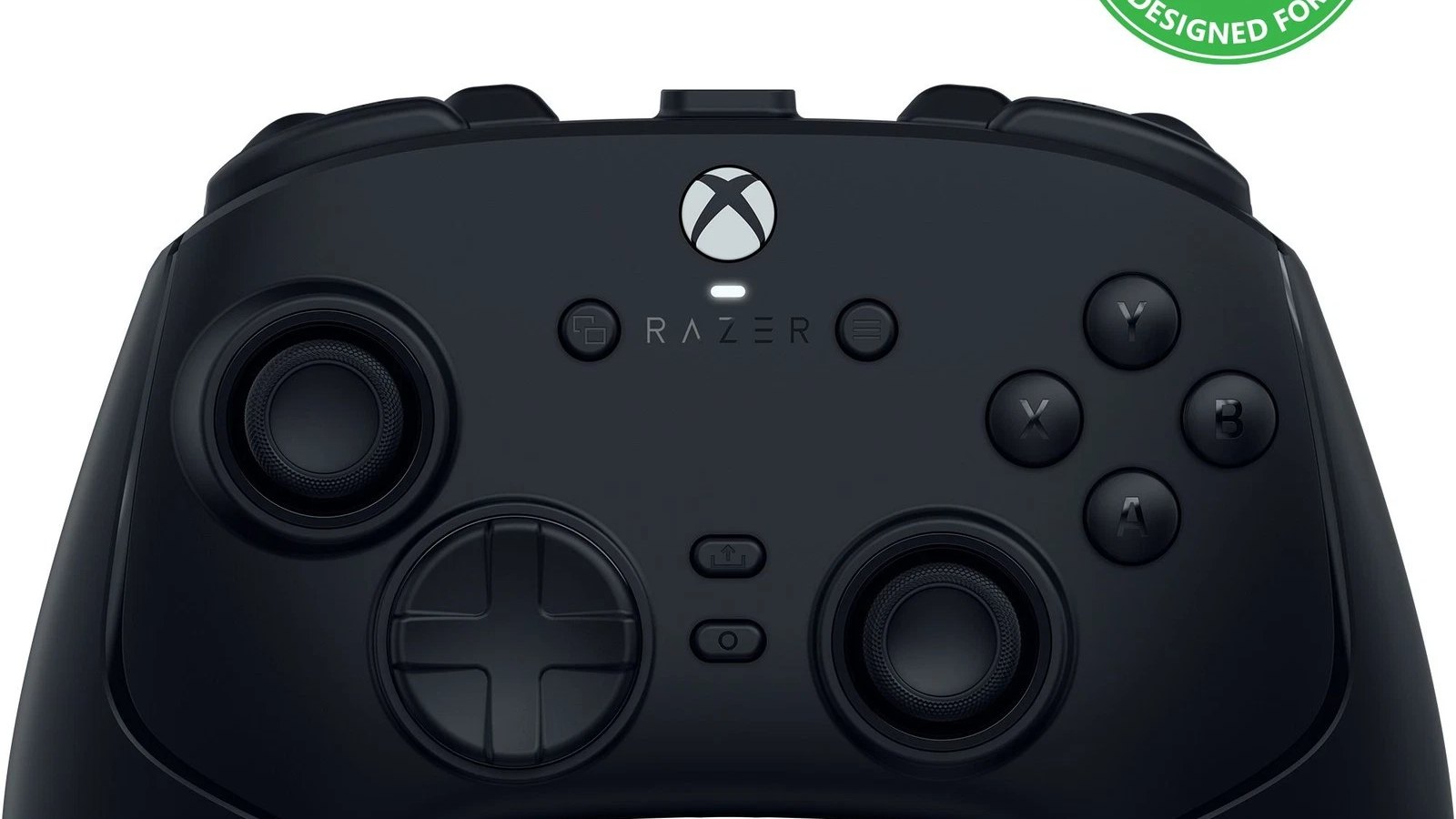
Razer has introduced the Wolverine V4 controller lineup for Xbox and PC, led by the wireless Wolverine V4 Pro and the wired Wolverine V4 Tournament Edition. Both models are positioned as competitive controllers and bring a new generation of contactless thumbstick sensing, revised rear controls and higher polling rates. The V4 Pro serves as the flagship wireless option, while the Tournament Edition targets players who prefer a permanently wired connection.
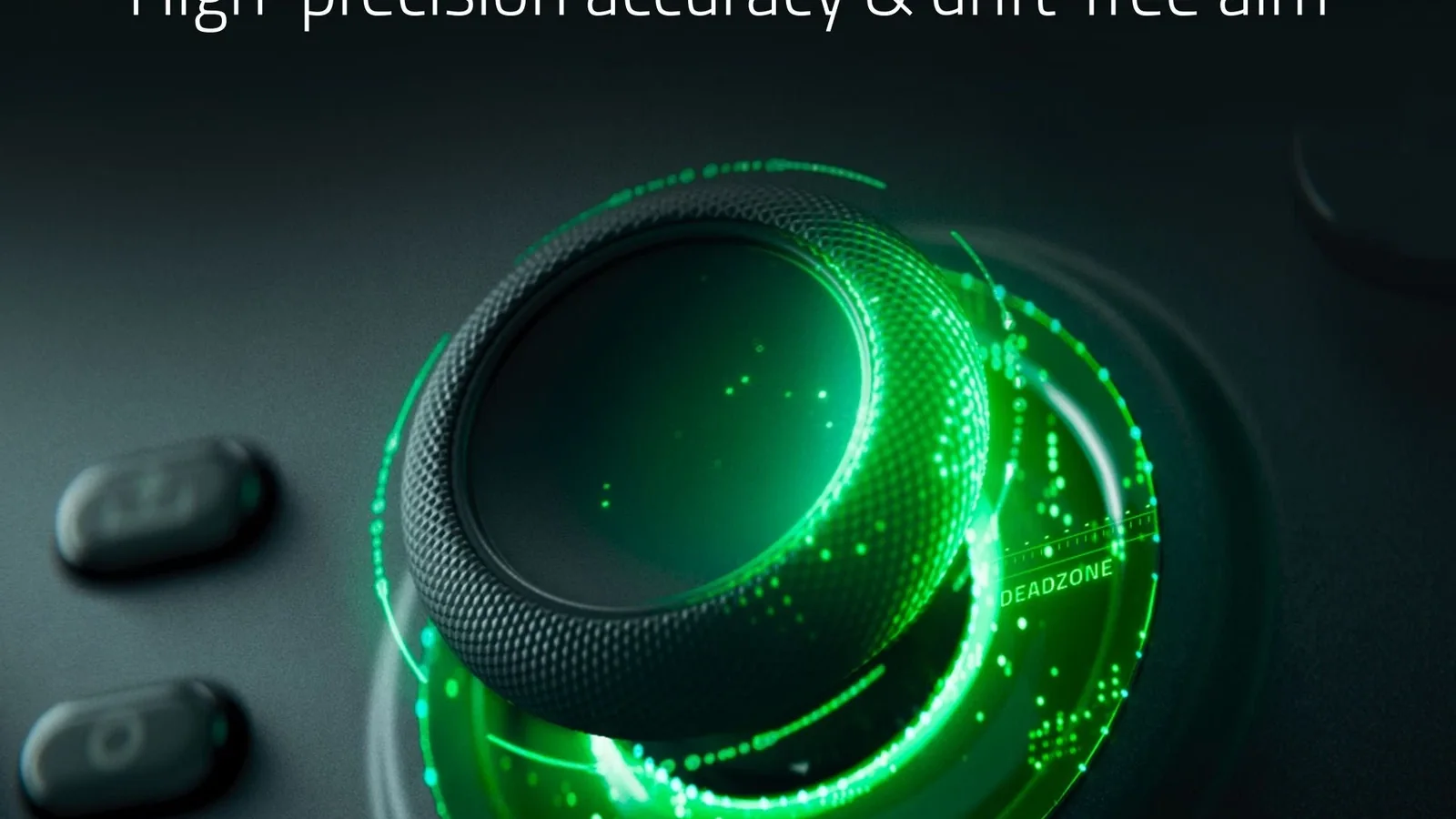
The most notable change is Razer’s move to high-resolution capacitive thumbstick sensors. Unlike conventional potentiometer-based sticks, the new design does not rely on the same type of mechanical contact for position sensing, reducing a common source of wear over time. Razer is positioning the technology as its next step beyond the magnetic Hall Effect and TMR systems increasingly found in premium controllers.
The Wolverine V4 Pro also introduces four redesigned magnetic rear buttons that can be removed or repositioned depending on the player’s preferred grip. Razer has paired those controls with its additional top-mounted inputs, giving competitive players access to extra commands without having to move their thumbs away from the sticks. A removable faceplate adds another layer of physical customization to the Pro model.
Polling rate is another major focus, particularly on PC. Razer says the Wolverine V4 family can operate at up to 8000Hz in supported configurations, allowing controller input to be reported to the system far more frequently than on a conventional 250Hz or 1000Hz gamepad. The practical benefit will depend on the game, display refresh rate and complete input chain, but the feature is clearly aimed at competitive players pursuing the lowest possible latency.
That puts the new controllers into increasingly crowded enthusiast territory. Brook recently launched the StarRay controller with Hall Effect sticks and 1000Hz PC polling, while Nacon’s Revolution 5 Unlimited uses TMR sticks and its own high-polling-rate PC mode. Controller manufacturers are increasingly competing on sensor technology and latency rather than simply adding more buttons.
The Wolverine V4 Pro retains wireless connectivity for Xbox and PC, while the Tournament Edition removes the wireless hardware in favor of a direct wired connection. That split follows Razer’s previous Wolverine strategy, where the Pro version serves as the more flexible premium model and the Tournament Edition provides many of the same competitive features in a simpler package. Both are officially designed for Xbox and Windows PCs.
Razer is also continuing its emphasis on mouse-like controller inputs. The Wolverine family has traditionally used short-travel mechanical switches for face and secondary buttons, along with trigger-stop systems designed to reduce travel in shooters. The V4 generation builds on that approach with its new rear-button arrangement and faster input pipeline rather than radically changing the basic Xbox-style shape.
The announcement arrives as Microsoft itself appears to be preparing more advanced controller hardware. Backend data tied to Xbox Design Lab recently pointed toward a possible Xbox Elite Series 3 with Hall Effect and TMR stick options, alongside upgraded haptics and expanded customization. If that information leads to a retail product, Razer’s new Wolverine models could face stronger first-party competition in the same premium-controller segment.
Razer has not abandoned its existing Wolverine V3 family with the V4 announcement, and regional availability may vary as the new models roll out. The V3 Pro and PC-focused 8K variants already established Razer’s high-polling-rate controller platform, while the V4 generation shifts more attention toward revised stick sensing and modular physical controls.
For competitive Xbox and PC players, the Wolverine V4 lineup represents a broader move toward lower-latency input and longer-lasting contactless stick technology. The Pro model adds wireless operation and more extensive customization, while the Tournament Edition provides a wired alternative built around the same esports-focused direction. Both models are entering the market as premium controllers increasingly compete on sensor design, polling rate and modular controls rather than basic compatibility alone.
