
Close Menu
    Facebook X (Twitter) Instagram
    Facebook X (Twitter) Instagram
    TechtroduceTechtroduce
    Subscribe
    • NEWS
    • GUIDES
    • COMPARISONS
    • REVIEWS
    TechtroduceTechtroduce
    Home » Valve Says Steam for Linux Still Doesn’t Support Arm PCs
    NEWS Updated:October 7, 2026

    Valve Says Steam for Linux Still Doesn’t Support Arm PCs

    Abyan KhanBy Abyan KhanOctober 7, 2026Updated:October 7, 2026No Comments4 Mins Read
    Facebook Twitter Pinterest LinkedIn Tumblr Email
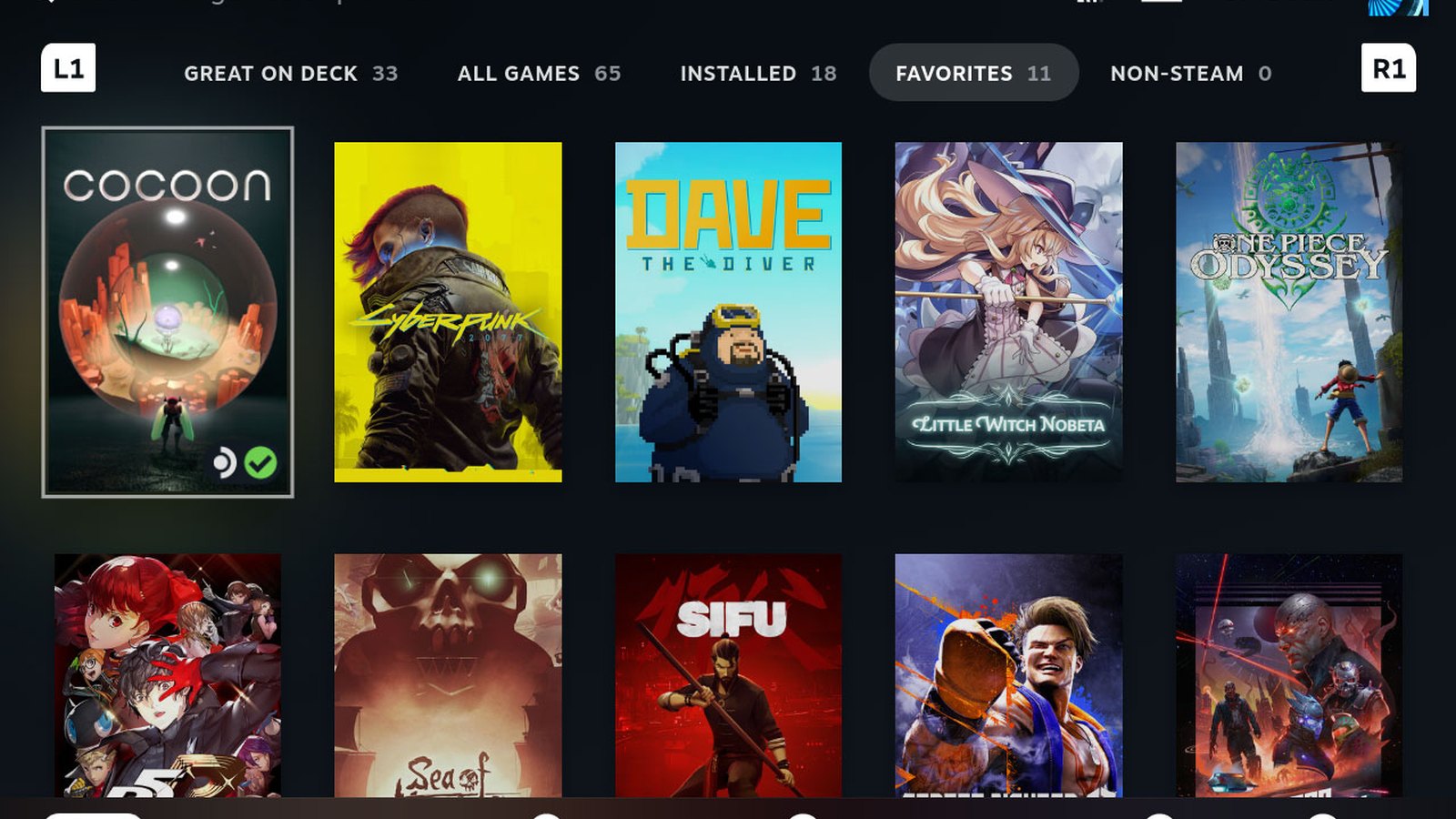
    Official Steam Deck software image showing the SteamOS game library interface with several installed titles
    Share
    Facebook Twitter LinkedIn Pinterest Email

    Valve has clarified that Steam for Linux is still not officially supported on third-party Arm hardware, despite the company now maintaining an Arm64 Steam build for its own Steam Frame headset. The confirmation came through Valve’s public Steam for Linux GitHub tracker after a user reported an issue affecting Steam Remote Play on an Arm-based handheld. Valve closed the report by pointing back to a long-standing Arm support request and stating that Steam for Linux is not currently supported on Arm-based hardware.

    The issue was filed by the owner of an AYN Odin 3 running an Arm64 Fedora-based Linux distribution. The user was using Valve’s native Arm64 Steam client and reported that Steam’s V4L2 video-decoding path was not exposing AV1 hardware decoding, even though the device’s Qualcomm decoder supported it. Instead of investigating the decoding bug, a Valve-associated developer account closed the report because the underlying hardware configuration falls outside Steam for Linux’s supported platforms.

    Valve linked the user to GitHub issue #4061, an Arm support request originally opened in October 2015. That issue remains categorized as a feature request more than a decade later. Valve’s current Steam for Linux documentation also lists an x86_64 Linux kernel and x86_64 processor among its hardware requirements, confirming that AMD and Intel-style 64-bit desktop processors remain the officially supported architecture.
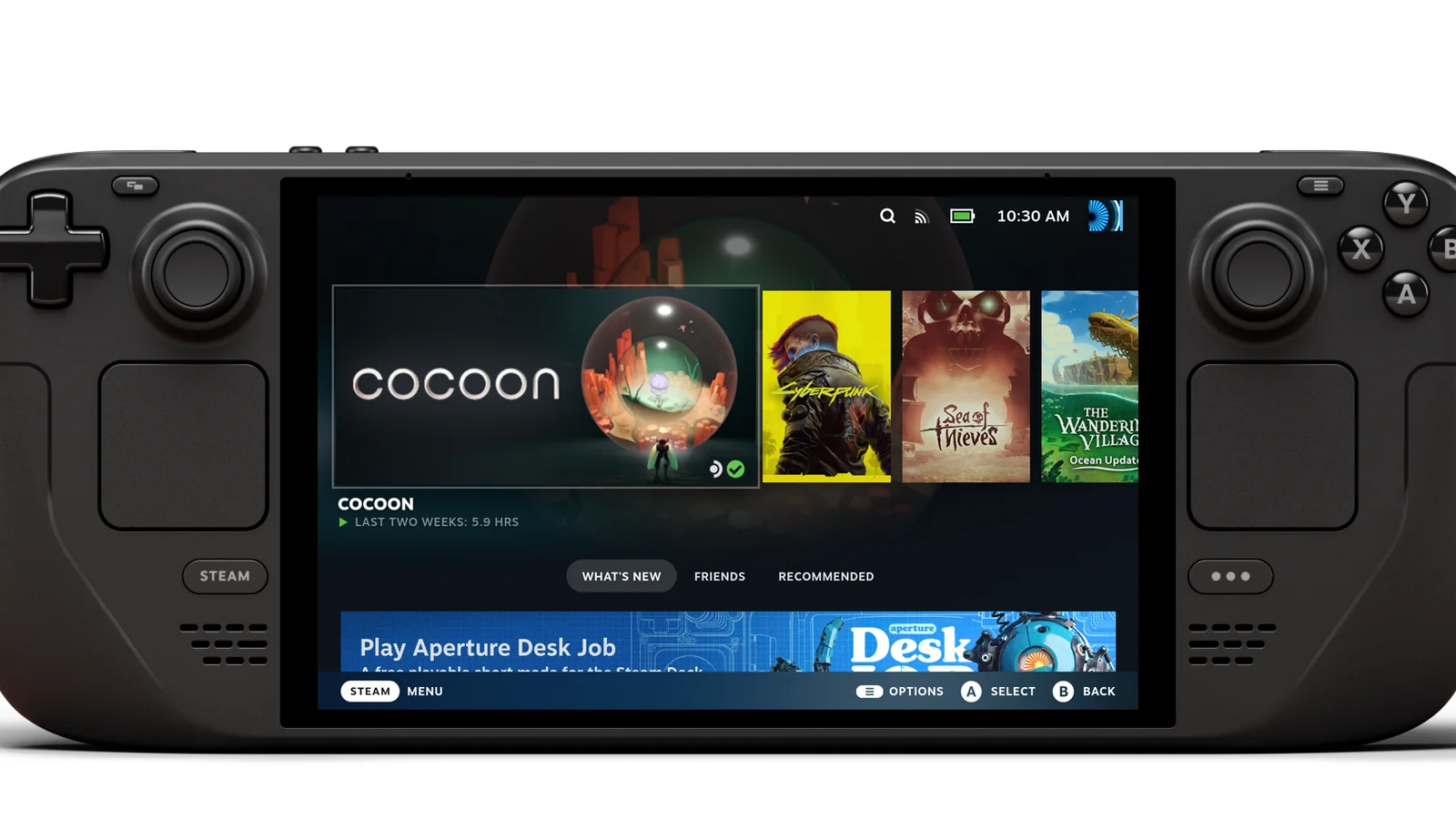
    Official Steam Deck software image showing the SteamOS game library interface with several installed titles

    The situation is more complicated than simply saying Steam does not run on Arm. A native Arm64 Steam client now exists and has already been used by enthusiasts on third-party hardware, but Valve does not provide general support for those installations. Other Arm-related bug reports have similarly been closed or linked back to the same long-standing feature request, making the company’s current support boundary relatively clear.

    That distinction has become more important because Valve itself now ships an Arm-based gaming device. Steam Frame uses a Qualcomm Snapdragon 8 Gen 3 processor with an Arm64 architecture, 16GB of LPDDR5X memory and SteamOS. Valve has specifically adapted its software stack for the headset and is actively working on compatibility so Steam games can run either through streaming or directly on the device.

    Valve’s Arm work also extends to Proton. Steam Frame is designed to run Windows games built for x86 hardware through an Arm-compatible translation path, allowing Valve to bring a much larger portion of the existing Steam library onto the headset than native Arm games alone would permit. That engineering effort does not, however, mean Valve has opened Steam’s standard Linux support policy to arbitrary Arm PCs and handhelds.

    The result is an unusual split. Valve is investing heavily in Arm where it controls the hardware, operating system and compatibility stack, while third-party Arm Linux systems remain unsupported even when they can run the same client software experimentally. Users may be able to install community-supported distributions or Valve’s Arm64 builds on devices from companies such as AYN or other handheld manufacturers, but bugs encountered there are not necessarily going to receive Valve support.

    This differs from Valve’s approach to Steam Deck, which uses an AMD x86-64 processor and therefore sits comfortably inside Steam’s long-established desktop architecture. Valve has also said it is still waiting for a sufficiently large performance and efficiency improvement before moving ahead with a future Steam Deck 2, reinforcing that its mainstream handheld strategy remains tied to more conventional PC-class hardware for now.

    The Arm question could become increasingly relevant as Qualcomm and other chipmakers push higher-performance Arm processors into gaming handhelds and PCs. Community projects are already experimenting with SteamOS-style environments on those devices, while Valve’s own Steam Frame work demonstrates that x86 game compatibility on Arm is technically viable. Official support, however, remains a separate issue from whether enthusiasts can make the software run.

    For now, Valve’s position is straightforward: the standard Steam for Linux platform is supported on x86_64 systems, not general-purpose Arm hardware. Steam Frame represents a purpose-built exception backed by Valve’s own Arm64 software work rather than evidence of broad Arm Linux support. Unless Valve changes the status of its decade-old feature request, third-party Arm users should continue to treat Steam on Linux as experimental and unsupported.

    Share. Facebook Twitter Pinterest LinkedIn Tumblr Email
    Abyan Khan
    • Instagram
    • LinkedIn

    Abyan Khan is a dedicated writer and tech enthusiast currently pursuing a Bachelor’s degree in Information Technology. With over 3 years of professional writing experience, he specializes in crafting clear, engaging, and informative content across a range of topics, particularly in the tech and gaming industries. Abyan combines his academic knowledge with real-world insights to deliver articles that are both well-researched and reader-friendly.

    Related Posts

    New PlayStation Portal Hardware Appears in Wi-Fi Certification

    October 7, 2026

    Pimax Crystal Pro Brings 60GHz Wireless PC VR for $1,399

    October 7, 2026

    Xbox Helix Will Be a Family of Gen-10 Devices, CEO Says

    October 7, 2026
    Leave A Reply Cancel Reply

    Google Techtroduce

    See more Techtroduce stories on Google.

    Add us on Google

    • New PlayStation Portal Hardware Appears in Wi-Fi CertificationOctober 7, 2026
      Sony has certified new CFI-Y2000-series gaming hardware with the Wi-Fi Alliance, pointing to a significant PlayStation Portal revision.
    • Pimax Crystal Pro Brings 60GHz Wireless PC VR for $1,399October 7, 2026
      Pimax has unveiled the $1,399 Crystal Pro wireless PC VR headset with eye-tracked Native Foveated Streaming and an optional 60GHz AirLink.
    • Xbox Helix Will Be a Family of Gen-10 Devices, CEO SaysOctober 7, 2026
      Xbox CEO Asha Sharma says Project Helix will become a family of Gen-10 devices, including a flagship console and hardware for players on the go.
    TRENDING NOW

    Sony Patent Describes AI System That Can Diagnose and Fix Devices

    Fortnite Demon Slayer Collaboration Rumors

    Sonic Team Explains Why Sonic Can Use Guns in Fortnite

    NHL 27 Update 2 Tweaks Boarding and Charging Penalties

    Facebook Instagram YouTube
    © 2026 Techtroduce. All Rights Reserved | Cookies Policy | Privacy Policy | Contact Us | About Us | Corrections Policy

    Type above and press Enter to search. Press Esc to cancel.

    Manage Consent
    To provide the best experiences, we use technologies like cookies to store and/or access device information. Consenting to these technologies will allow us to process data such as browsing behavior or unique IDs on this site. Not consenting or withdrawing consent, may adversely affect certain features and functions.
    Functional Always active
    The technical storage or access is strictly necessary for the legitimate purpose of enabling the use of a specific service explicitly requested by the subscriber or user, or for the sole purpose of carrying out the transmission of a communication over an electronic communications network.
    Preferences
    The technical storage or access is necessary for the legitimate purpose of storing preferences that are not requested by the subscriber or user.
    Statistics
    The technical storage or access that is used exclusively for statistical purposes. The technical storage or access that is used exclusively for anonymous statistical purposes. Without a subpoena, voluntary compliance on the part of your Internet Service Provider, or additional records from a third party, information stored or retrieved for this purpose alone cannot usually be used to identify you.
    Marketing
    The technical storage or access is required to create user profiles to send advertising, or to track the user on a website or across several websites for similar marketing purposes.
    • Manage options
    • Manage services
    • Manage {vendor_count} vendors
    • Read more about these purposes
    View preferences
    • {title}
    • {title}
    • {title}