


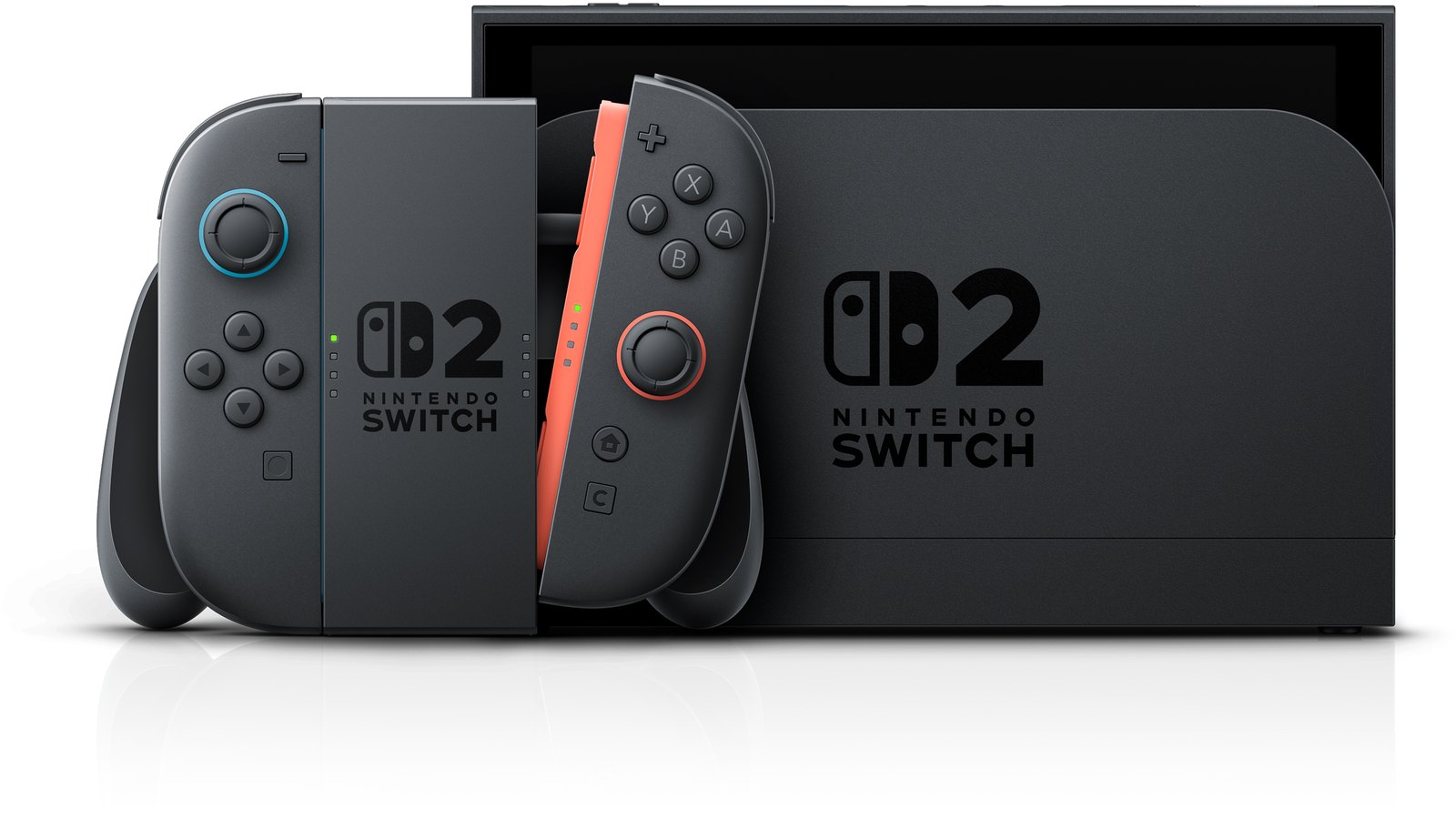
Nintendo has released system update version 23.0.0 for Nintendo Switch 2, adding variable refresh rate support in TV mode alongside a full Switch 2-to-Switch 2 system transfer feature. The September 10 update also introduces changes to GameChat, Virtual Game Cards, Miis, display settings and several smaller quality-of-life features. Docked VRR is one of the most significant additions, expanding a display feature that Switch 2 previously supported through its built-in screen.
With the update installed, Switch 2 can output VRR while connected to a compatible television or monitor. Nintendo says that when both the software and connected display support the feature, the system can adjust the display refresh rate in line with the game’s processing, which can help reduce visible tearing and make fluctuating frame rates appear smoother. Players also need to update the Nintendo Switch 2 dock before docked VRR can be enabled, and a new VRR Settings option has been added under the console’s display settings. For players unfamiliar with how variable refresh technology behaves, VRR and adaptive-sync behaviour can vary depending on the display, supported refresh range and game performance.
Version 23.0.0 also introduces a full system transfer function between two Nintendo Switch 2 consoles. Nintendo says users can transfer data including save files and screenshots from an existing Switch 2 to another Switch 2, filling an important gap for owners replacing or upgrading their console. Nintendo already offered a broader migration process for moving from an original Switch to Switch 2, but this update adds a dedicated same-generation transfer option.
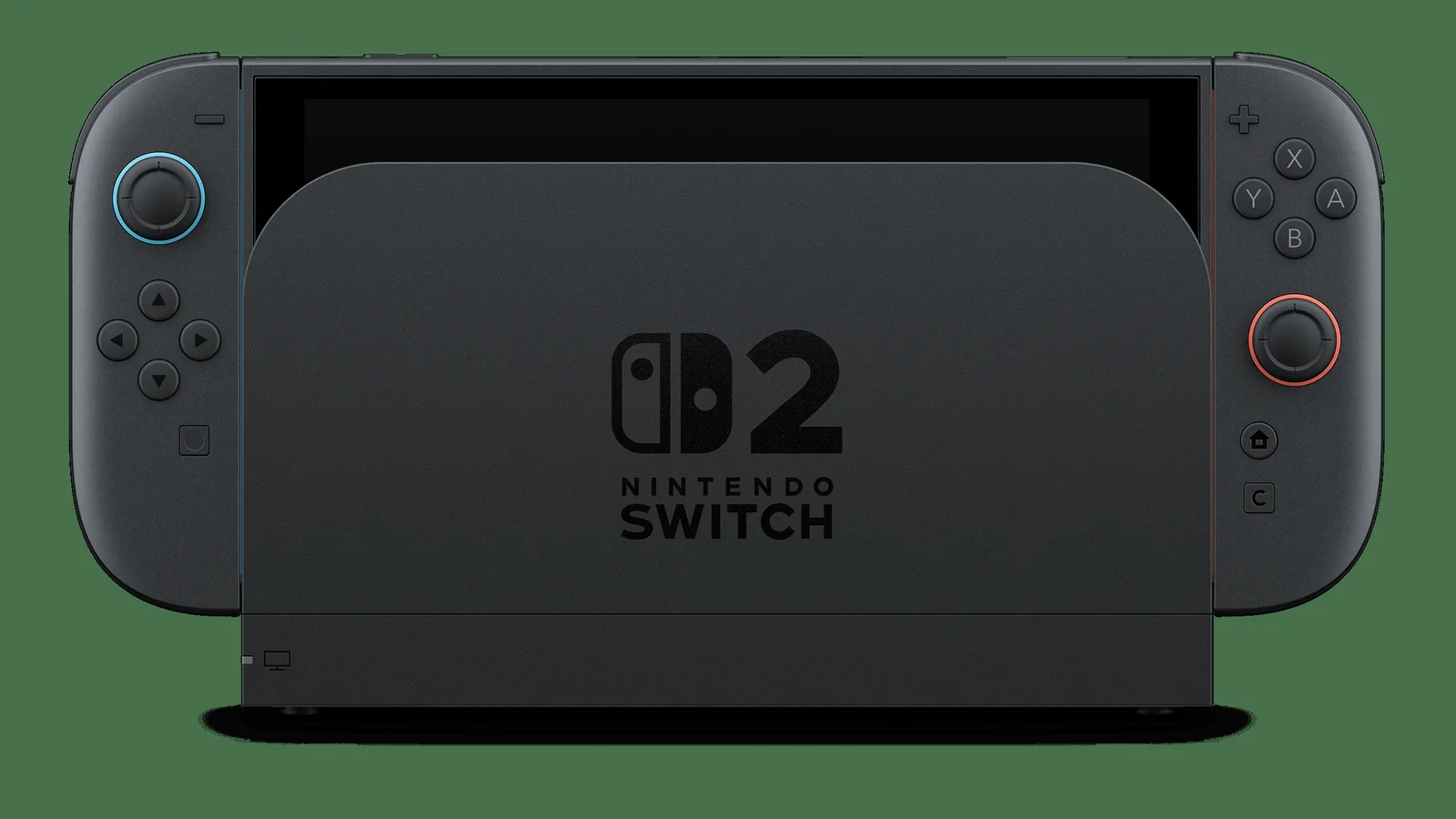
Several display and system settings have been reorganized alongside the VRR addition. “Dock Output Information” has been renamed “Video Output Information” and now provides more detailed information about the video signals supported by a connected display, while TV audio settings can be remembered separately for different televisions. Nintendo has also added an option allowing Handheld Mode Boost to be switched through Quick Settings, making it easier to change how compatible original Switch software operates on the newer hardware. That feature was introduced earlier in 2026 and allows certain Switch games to use their higher-performance TV-mode behaviour while Switch 2 is being used as a handheld.
The update brings a number of smaller changes to the Mii system as well. Users can now exchange Miis through QR codes, while music has been added to the Mii editing screen with controls for switching or stopping the background track. Nintendo has also changed how play-time records are handled, with play time for the same software across multiple consoles now combined in the user’s profile instead of remaining separated by system.
GameChat receives several adjustments in version 23.0.0. Chats a player previously joined can now appear among available chats, users can create and enter a new chat without first selecting friends, and a screen-size control has been added to the menu opened with the C button. Virtual Game Cards have also received a Settings section that lets users check the registration status of systems associated with their virtual cards.
Nintendo has made additional accessibility and licensing changes as part of the same firmware release. Portuguese Brazilian support has been added to text-to-speech functionality and GameChat’s text-to-voice options, while software can temporarily be started using an online license when a Virtual Game Card cannot be moved from another system. The update also includes unspecified stability fixes.
The arrival of docked VRR is particularly relevant as more technically demanding games reach Switch 2, where variable frame rates can benefit more noticeably from a display capable of synchronizing its refresh rate with the console’s output. Titles such as It Takes Two on Switch 2 are increasingly being promoted around higher resolutions and frame-rate targets, making display features an increasingly important part of the system’s performance profile. Version 23.0.0 therefore represents one of Switch 2’s more substantial firmware updates so far, combining a major display upgrade with a long-requested console transfer feature and broader system improvements.
