



YoshiYoshi Studio has announced KAELIS: Seraph Protocol, a new single-player science-fantasy JRPG in development for PC via Steam. The Seoul-based studio is targeting a 2028 release and has launched a Kickstarter campaign alongside the game’s first gameplay trailer. The project combines academy life, turn-based combat, exploration, character relationships and narrative choices that can affect how individual cases unfold.
Players take the role of Kaito, a citizen of the futuristic city of Kaelis who becomes an Executor for Serenos Academy. The academy investigates mysterious incidents involving “Noise,” a distortion linked to the world’s Lumina energy. Kaito works alongside a group of Guardians while uncovering the causes behind these events and a larger mystery surrounding the city itself.
Combat is turn-based and supports parties of up to four active Guardians. Characters and enemies are aligned with one of eight Lumina Spectrums: Ignis, Glacies, Fulgur, Terra, Lumina, Umbra, Void and Aether, each with its own strengths, weaknesses and reactions. Players are expected to identify an enemy’s Spectrum and adjust their party accordingly, while stronger relationships with companions can unlock coordinated attacks and additional team interactions.
Defeated Noise enemies can also leave behind Noise Cores, which Kaito can seal using the Executor Device. Those Cores can then be returned to Serenos Academy for analysis and used to develop Lumina Discs, improve academy facilities and strengthen Guardians. The structure gives the academy a functional role between field missions rather than treating it purely as a narrative hub.
Character relationships are another central system. Guardians belong to different academy divisions and can build affinity with Kaito through story scenes, conversations and time spent together. Higher bond levels can affect combat through coordinated attacks and support actions, while choices made during investigations can alter relationships and influence how certain cases progress.
One of the more unusual mechanics is the Armillary Sphere, which introduces a chance-based element to important story moments. At key points, the device determines outcomes through a dice roll, but its conditions can be influenced by Kaito’s earlier decisions, discoveries and relationships. That system appears designed to connect the game’s social and investigative elements directly to narrative outcomes rather than keeping them separate from the main story.
Serenos Academy itself is divided into four specialist branches. Strike handles combat and field operations, Record focuses on evidence and Noise analysis, Harmony deals with team coordination and resonance stability, while Veritas investigates Lumina technology and the deeper mechanics behind each incident. Between missions, players can spend time with companions, improve facilities, refine recovered Cores and develop Lumina Discs before heading back into the field.
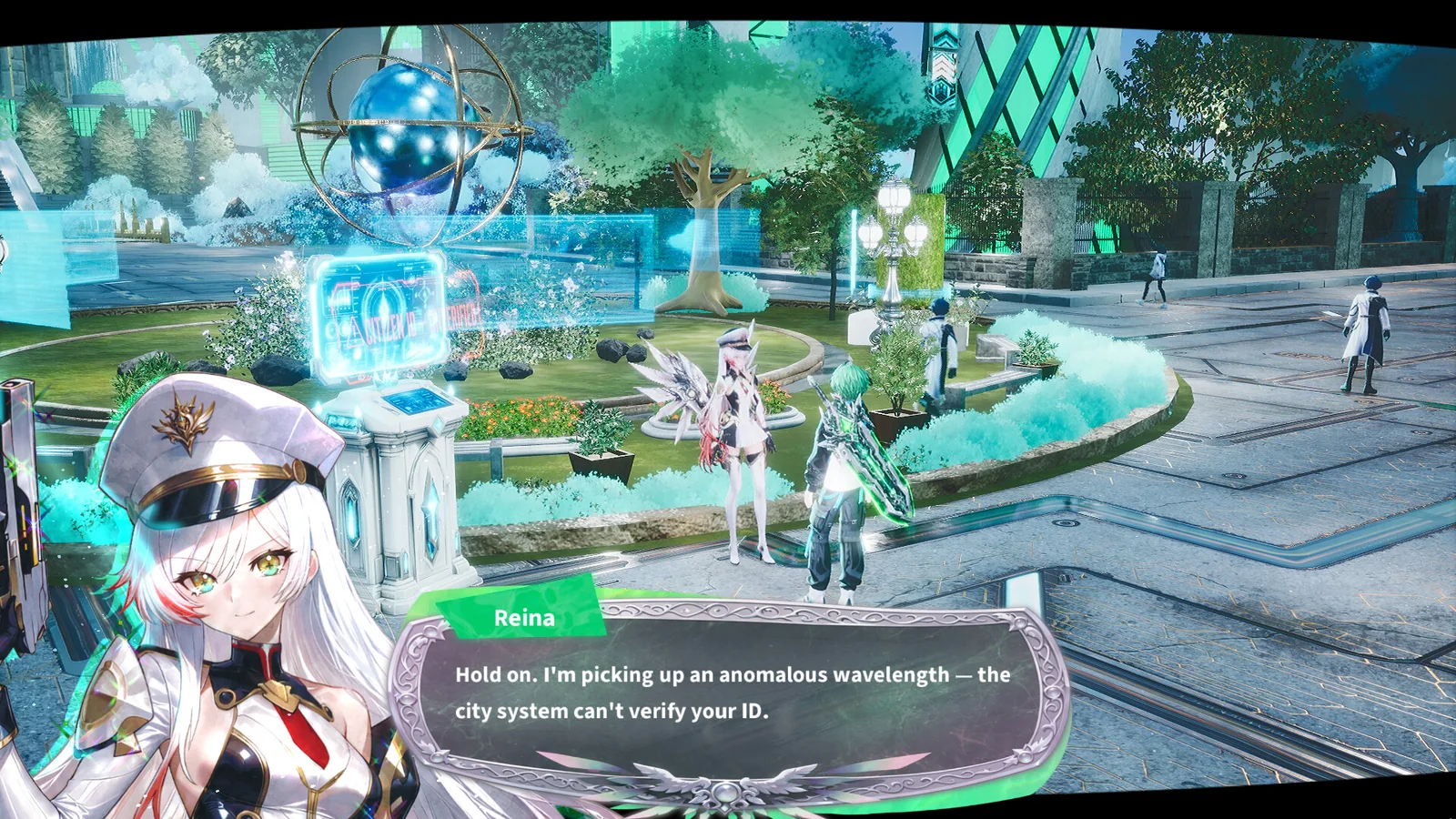
Exploration takes place across the city of Kaelis, including the Academy Quarter, commercial districts, the city center and quieter outskirts affected by Noise distortions. The setting mixes academy-life JRPG conventions with a science-fantasy city built around Lumina technology. That gives KAELIS a structure distinct from more traditional fantasy RPGs, while still retaining familiar party-building and relationship mechanics seen across the genre.
The game arrives during a busy period for story-driven Japanese-style RPGs, with other major projects such as Final Fantasy Resonance and Fire Emblem: Fortune’s Weave also emphasizing character relationships and narrative-driven progression. KAELIS differentiates itself with its academy-investigation structure, Lumina combat system and the Armillary Sphere mechanic.
YoshiYoshi Studio is both developing and publishing KAELIS: Seraph Protocol. The current plan is for a PC release through Steam in 2028, while the Kickstarter campaign is seeking $27,000 in funding and includes additional development materials, rewards and a closer look at the project’s evolution from early prototypes to its current Unreal Engine 5 build.
