


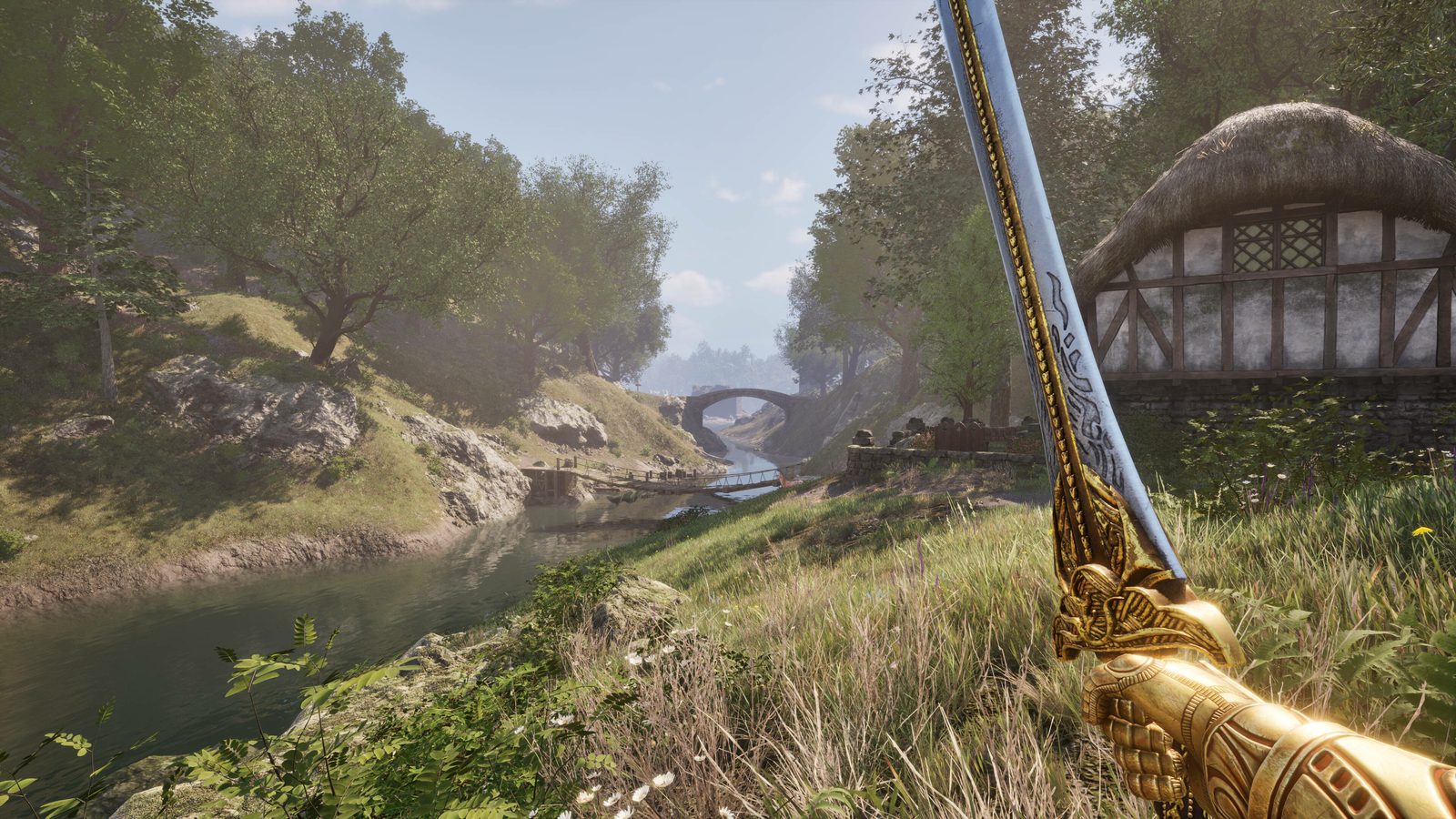
A new fan-made performance mod for The Elder Scrolls IV: Oblivion Remastered promises substantial frame rate improvements without sacrificing visual quality. Released by modder LTSharpe26 on October 17, 2026, Oblivion Remastered Performance Fix targets approximately 40 engine-level bottlenecks, with developer benchmarks showing average FPS improvements exceeding 40% in certain scenarios.
The open-source modification is available through Nexus Mods and GitHub. Its creator reports approximately 30% higher average frame rates in open-world gameplay, improvements of around 50% in 1% lows, and significantly reduced traversal stuttering. The project was developed with assistance from Anthropic’s Claude AI, which the creator says handled profiling, reverse engineering, coding and benchmarking under human supervision.
The developer’s most notable benchmark involved flying around the Imperial City at 4K with frame generation enabled. Average performance increased from 72 FPS without the modification to 102 FPS with it installed, representing a 41% improvement. The 1% low increased from 33 FPS to 45 FPS, while the average number of frame-time spikes lasting at least 50 milliseconds fell from 19.5 to 4.8 per flight.
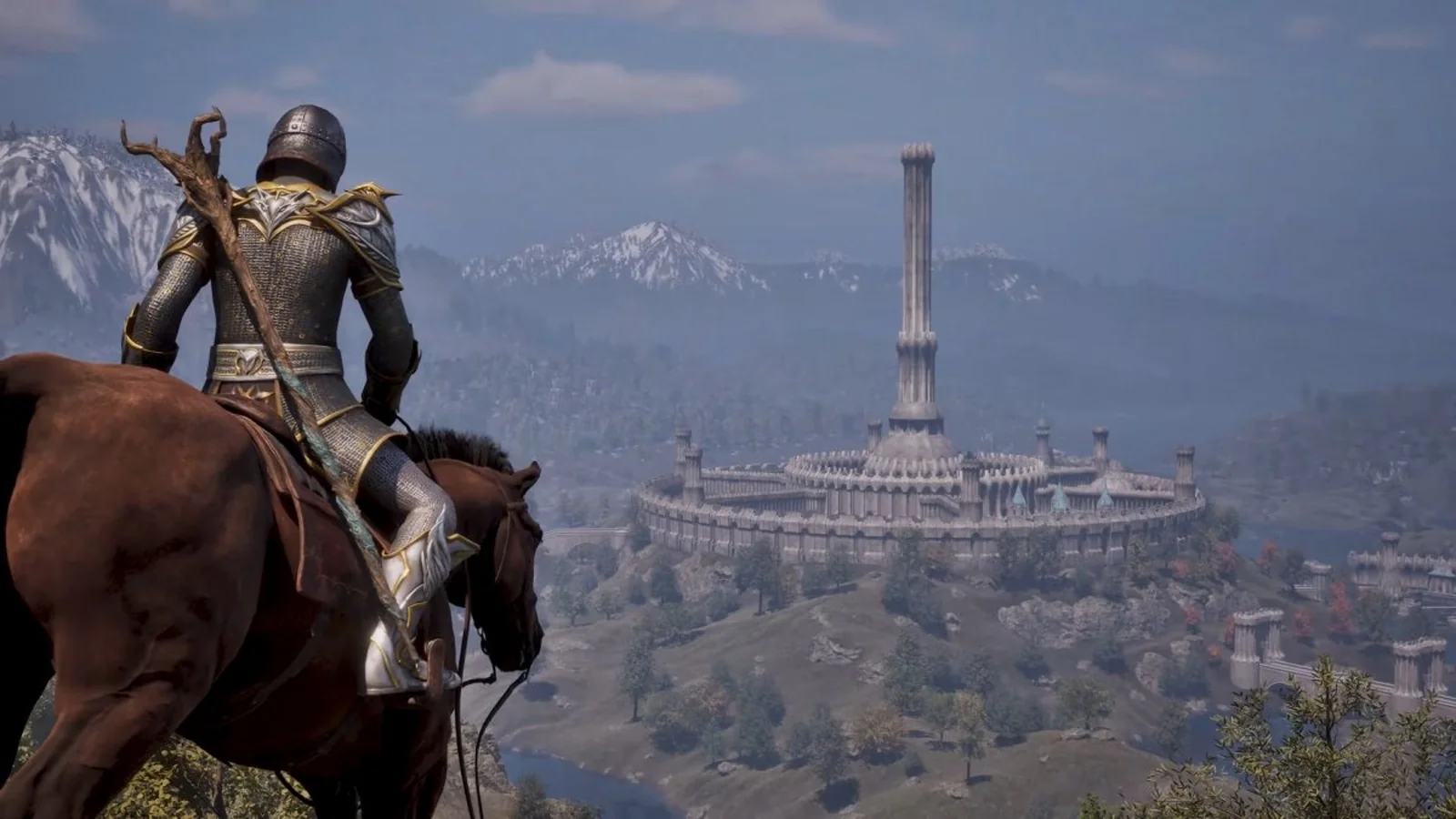
Testing in Cheydinhal produced similarly promising results. In a street-level benchmark using frame generation, average performance increased from 64 FPS to 91 FPS, an improvement of approximately 42%. A separate CPU-limited test at 720p, without frame generation, increased performance from 45 FPS to 57 FPS.
These results come from the mod creator’s own testing rather than independent benchmarks. The documented test system used an AMD Ryzen 7 5800X processor, Radeon RX 9070 XT graphics card, 32GB of RAM and Windows 11. Performance gains on other hardware remain less certain.
The modification works by changing how Oblivion Remastered processes rendering, memory management and world streaming. The remaster combines the original game’s underlying systems with Unreal Engine 5 rendering, creating opportunities for CPU bottlenecks even when overall processor utilization appears relatively low.
According to the project’s technical documentation, one optimization distributes DirectX 12 rendering command preparation across multiple CPU cores instead of relying heavily on a single thread. Other changes reduce repeated weather calculations, improve memory reuse, distribute physics-related workloads across frames and avoid processing certain off-screen characters all at once.
The mod also addresses delays associated with entering new areas, opening menus and generating frames. In the developer’s benchmarks, the longest frame when emerging through a door dropped from 187 milliseconds to 95 milliseconds, while the Graphics menu’s opening delay fell from 0.74 seconds to 0.43 seconds.
Unlike performance modifications that achieve higher frame rates by reducing graphical settings, LTSharpe26 says these optimizations preserve the game’s existing visuals, including ray-traced lighting and view distance. The developer reports comparing screenshots across different lighting and weather conditions to check for visual differences.
The project additionally includes improvements to AMD FSR frame generation and offers optional support for newer AMD machine-learning frame generation through an updated FidelityFX library on compatible Radeon RX 9000 graphics cards. These changes target rendering efficiency and frame pacing rather than simply reducing image quality.
The development process is another unusual aspect of the project. LTSharpe26 explicitly credits Anthropic’s Claude with analyzing the game’s code, identifying performance problems, implementing fixes and preparing benchmark documentation. The creator says they established the project’s objectives, made development decisions and personally tested successive builds.
Early player feedback suggests that improvements vary considerably between systems. Some Nexus Mods users report substantially smoother traversal, including reduced stuttering on NVIDIA GeForce hardware. Others report little improvement in average FPS despite smoother gameplay. One user with an RTX 5080 and Intel Core i9-14900K reported reduced stuttering without a meaningful frame rate increase.
The developer explains that the modification primarily addresses CPU-side limitations. Systems already constrained by GPU performance may therefore see smaller average FPS gains, although individual stuttering fixes could still help. This distinction is also relevant to other PC performance modifications, including DLSS 5 mod performance testing in The Witcher 3, where results depend heavily on the rendering workload and configuration.
Installation on the Steam version involves extracting the mod’s files into the game’s Binaries/Win64 directory. Players using OBSE64 or another modification that already installs a version.dll file should use the alternative OBSE-compatible package rather than overwrite an existing DLL.
An updated 1.1.0 beta also provides experimental support for the PC Game Pass version, although the developer has not established the same level of compatibility testing as on Steam. The project includes individual configuration switches for its optimizations and a log identifying which changes successfully load.
The modification remains in beta, and its reported performance gains have not been independently established across a broad selection of CPUs and GPUs. Nevertheless, the publicly available source code, documented benchmarks and early user reports provide a basis for further testing of its claimed improvements to Oblivion Remastered’s PC performance.
