


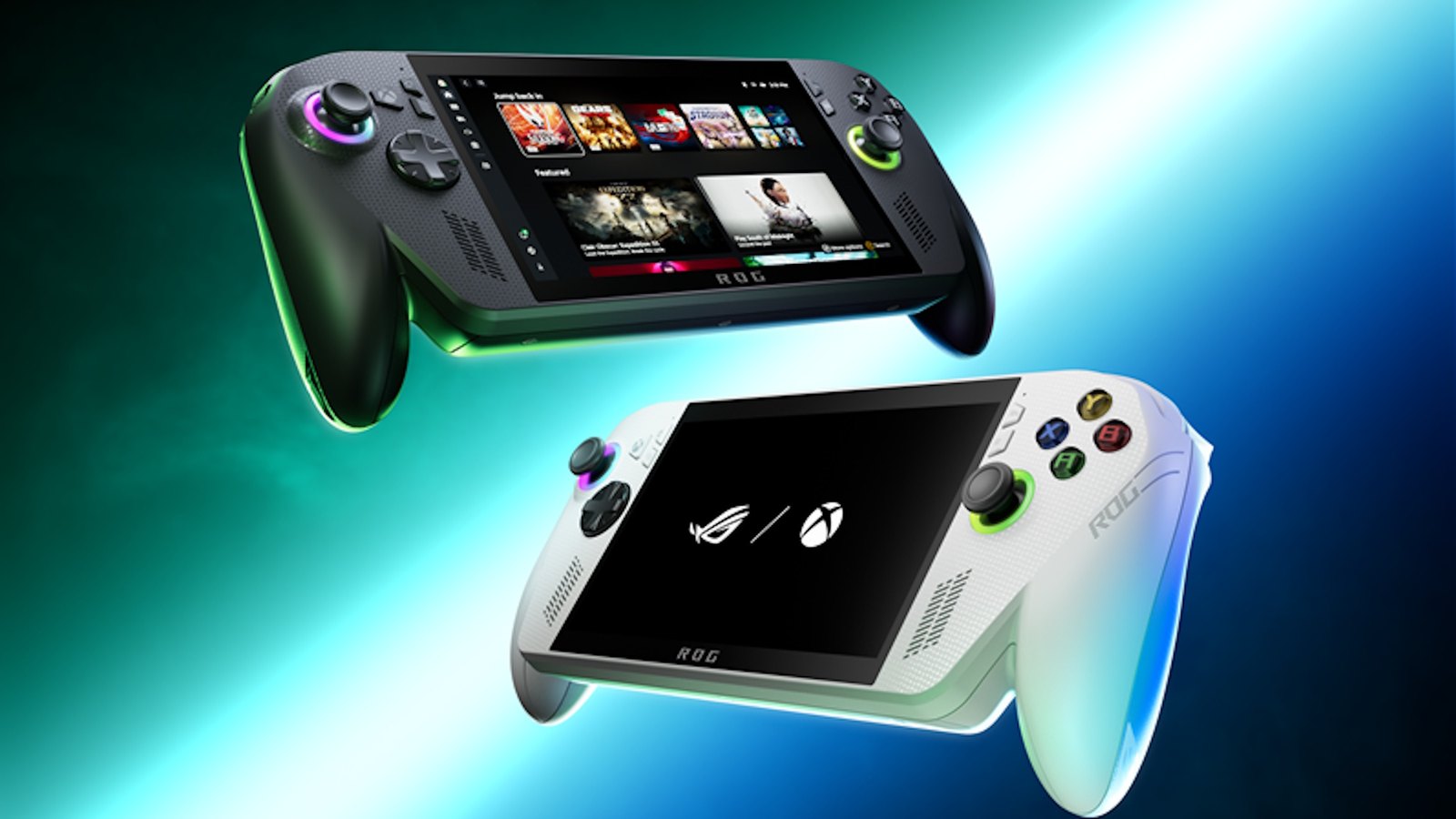
Microsoft is reportedly planning to launch a next-generation Xbox handheld during the 2027 holiday season, followed by its next-generation home console in late 2028. The portable device forms part of a broader hardware strategy under Xbox CEO Asha Sharma, who is also pushing for greater control over the software powering Microsoft’s upcoming gaming devices.
The plans were detailed in an October 20 Fortune report by Sebastian Herrera, based on interviews with Sharma and information from current and former Microsoft employees and people familiar with the company’s strategy. Microsoft has not formally announced the new handheld, its specifications, pricing or an exact release date.
The reported launch schedule would place the handheld ahead of Microsoft’s next-generation console, known as Project Helix, which Fortune says is targeting the 2028 holiday season.

Sharma has been working with Xbox hardware designers, including Carl Ledbetter, on the company’s next-generation devices. Development discussions have involved hardware prototypes, potential partnerships and ways to strengthen Xbox’s position in portable gaming.
One of the more significant developments concerns the operating system intended for Microsoft’s future gaming hardware.
According to Fortune, the Xbox and Windows divisions disagreed over which software should power the upcoming handheld. Windows executives reportedly wanted the device to run a streamlined version of Windows Home, while Xbox leadership favored developing and controlling its own gaming-focused software.
The disagreement reportedly became serious enough that a senior Xbox executive threatened to cancel the handheld project rather than accept the proposed Windows configuration.
Xbox has since gained substantial control over the project’s operating system direction, although Sharma emphasized that the gaming division continues to work closely with Microsoft’s wider engineering teams.
The software decision could be particularly important for a portable gaming device, where system overhead, interface design and gaming performance are major considerations. However, Microsoft has not confirmed whether the reported handheld will use a dedicated Xbox operating system, a modified Windows installation or another software configuration.
The new hardware would also arrive after Microsoft’s existing collaboration with ASUS on the ROG Xbox Ally handheld lineup. It remains unclear whether the planned 2027 device will be manufactured directly by Microsoft or developed through another hardware partnership.
Beyond hardware, Sharma is pursuing changes across Xbox’s gaming ecosystem, including a larger Battle.net presence on PC and simpler Xbox publishing tools. The initiatives form part of an effort to strengthen Microsoft’s gaming platform across different devices.
Fortune also reports that Microsoft is considering a substantial Game Pass restructuring, potentially allowing subscribers to select features such as console gaming, multiplayer and cloud gaming through a more customizable subscription system. Those changes have not been formally announced.
For hardware enthusiasts, the biggest unanswered questions concern the handheld’s processor, memory configuration, battery life, display and software compatibility. None of those specifications were established in the report.
Microsoft has also not confirmed whether the device will support the full Xbox console library, run Windows PC games locally or offer a combination of both.
For now, holiday 2027 remains a reported internal launch target rather than an officially confirmed release window. The report nevertheless indicates that Microsoft is continuing to invest in dedicated gaming hardware, with portable gaming becoming a more prominent part of its next-generation Xbox plans.
