


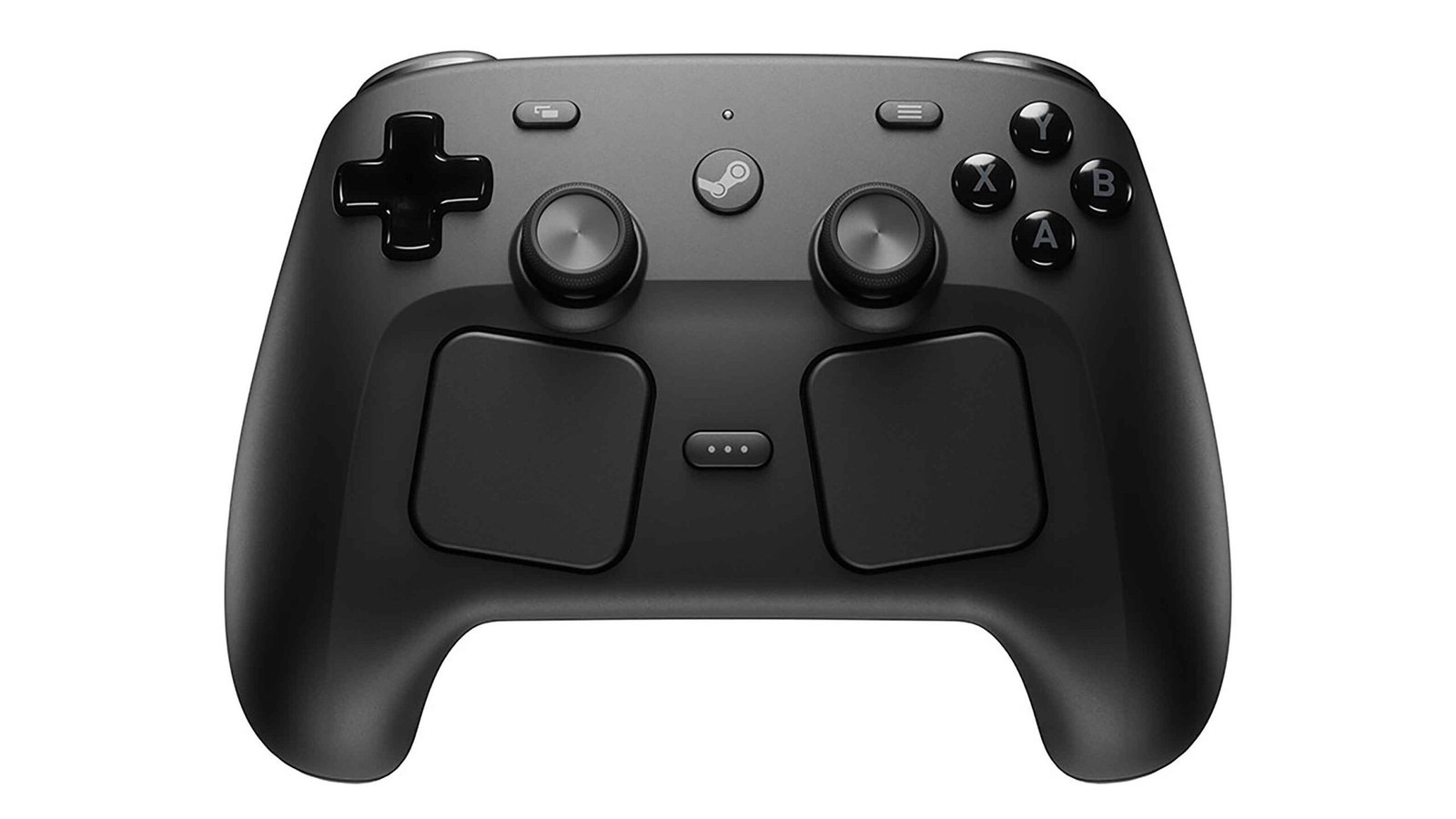
Linux kernel 7.3 has officially been released, introducing several improvements relevant to Linux gaming PCs and handheld devices. The update includes Valve-supported graphics memory management changes, improved compatibility and crash recovery for older AMD Radeon GPUs, and new controller drivers for the MSI Claw and Valve’s latest Steam Controller.
Linux creator Linus Torvalds announced the release on October 18, 2026, following the kernel’s regular development cycle. The new version also includes CPU scheduling adjustments, graphics driver updates and filesystem improvements, although some gaming-related features require additional software before users can benefit from them.
One of the most significant changes concerns video memory management. Valve has supported development work intended to help Linux systems manage limited VRAM more effectively, potentially reducing performance drops and stuttering when games place heavy demands on graphics memory.
The improvements are particularly relevant to systems with smaller amounts of dedicated video memory or integrated graphics that share system RAM. However, the kernel changes represent only part of the necessary implementation.
Additional userspace components, including dmemcg-booster and plasma-foreground-booster, are needed to unlock the intended benefits. Compatible GPU drivers are also required, and further improvements are planned for subsequent kernel releases.
As a result, installing Linux kernel 7.3 alone should not be expected to deliver immediate frame rate increases or eliminate VRAM-related stuttering in every game.
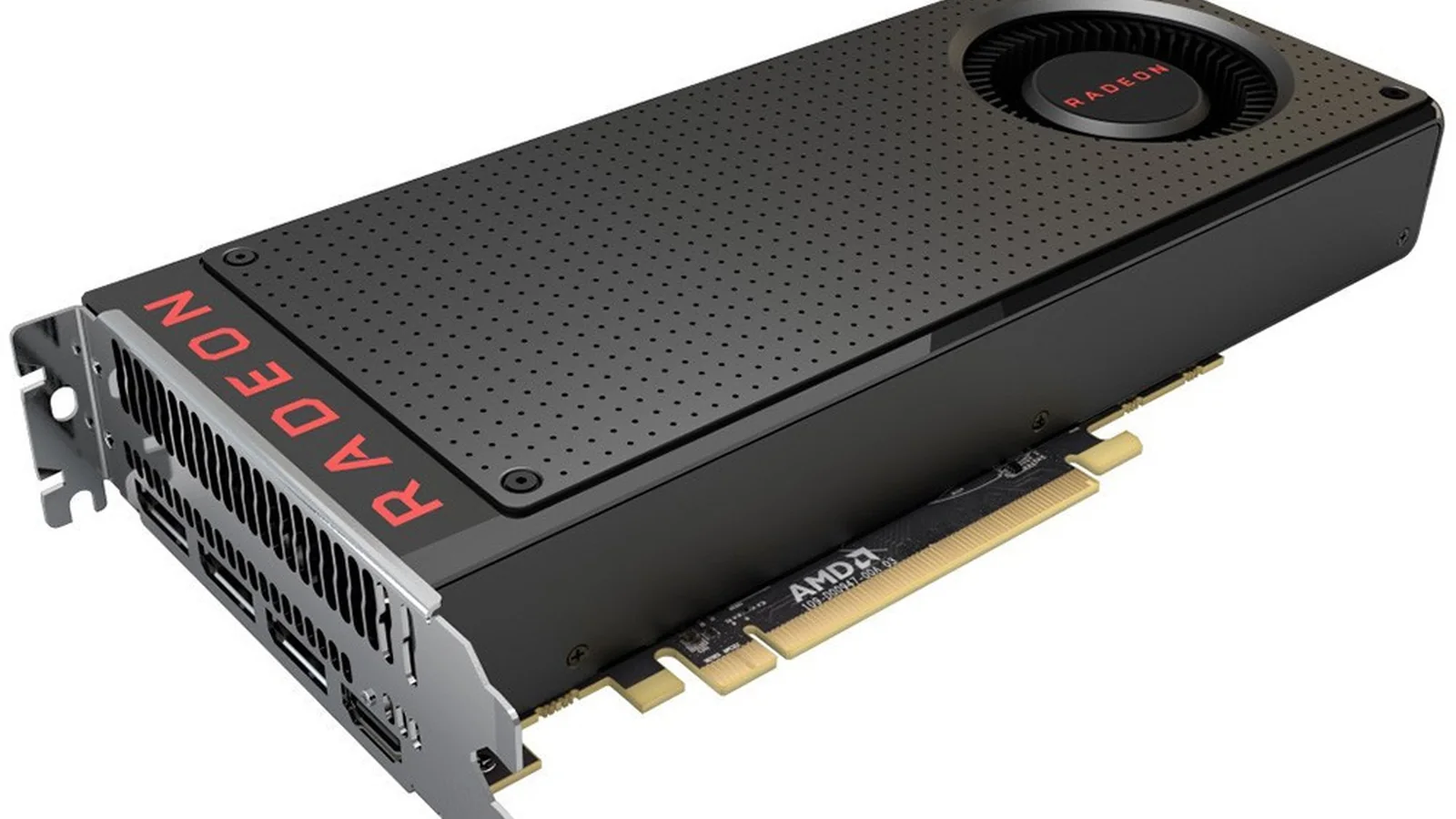
Older AMD graphics cards are another focus of the release. The kernel introduces compatibility improvements affecting Radeon hardware from the HD 7000 generation through later Polaris and Fiji GPUs.
Some older Radeon GPUs also receive improved recovery mechanisms that can help restore graphics functionality following certain GPU crashes without requiring a complete system reboot. This could make supported systems more resilient when graphics drivers encounter problems, although the improvements do not guarantee recovery from every failure.
Controller support has expanded as well. Linux kernel 7.3 introduces initial built-in driver support for Valve’s newer 2026 Steam Controller, alongside a dedicated driver for the integrated gamepad found in MSI Claw handheld gaming PCs.
These changes strengthen the kernel-level hardware support available to Linux gaming devices. Actual controller functionality can still depend on supporting software, device configurations and the versions distributed by individual operating systems.
The release also brings updates to Intel and NVIDIA graphics support. Intel’s upcoming Nova Lake graphics hardware is now enabled by default, while the open-source Nouveau driver receives preparatory work for Vulkan Video hardware decoding.
On the CPU side, scheduling improvements could benefit certain workloads, including gaming scenarios on older hardware. However, their performance impact will vary depending on the processor, game and operating system configuration.
Storage-related changes affecting filesystems such as Btrfs and EXT4 are also included, alongside further preparation for AMD’s upcoming Zen 6 processors. These updates form part of the kernel’s broader hardware and performance development rather than gaming-specific optimizations.
The release arrives as AMD continues expanding its gaming technology ecosystem, including plans to bring FSR 4 to APUs and handheld gaming devices. Unlike upscaling technologies, the changes in Linux kernel 7.3 operate at the operating system and driver level, addressing hardware compatibility and resource management rather than directly modifying rendered image quality.
Linux kernel 7.3 is available through the official Linux kernel archives, but its arrival does not mean every Linux distribution or SteamOS-based device will receive it immediately. Distribution maintainers and hardware vendors determine when newer kernels are integrated into their respective releases.
For Linux gamers, the most practical improvements are likely to depend on their hardware. Owners of older Radeon GPUs may benefit from improved stability, MSI Claw users gain additional controller support, and systems with constrained graphics memory could see improvements once the necessary userspace tools and drivers become available.
