


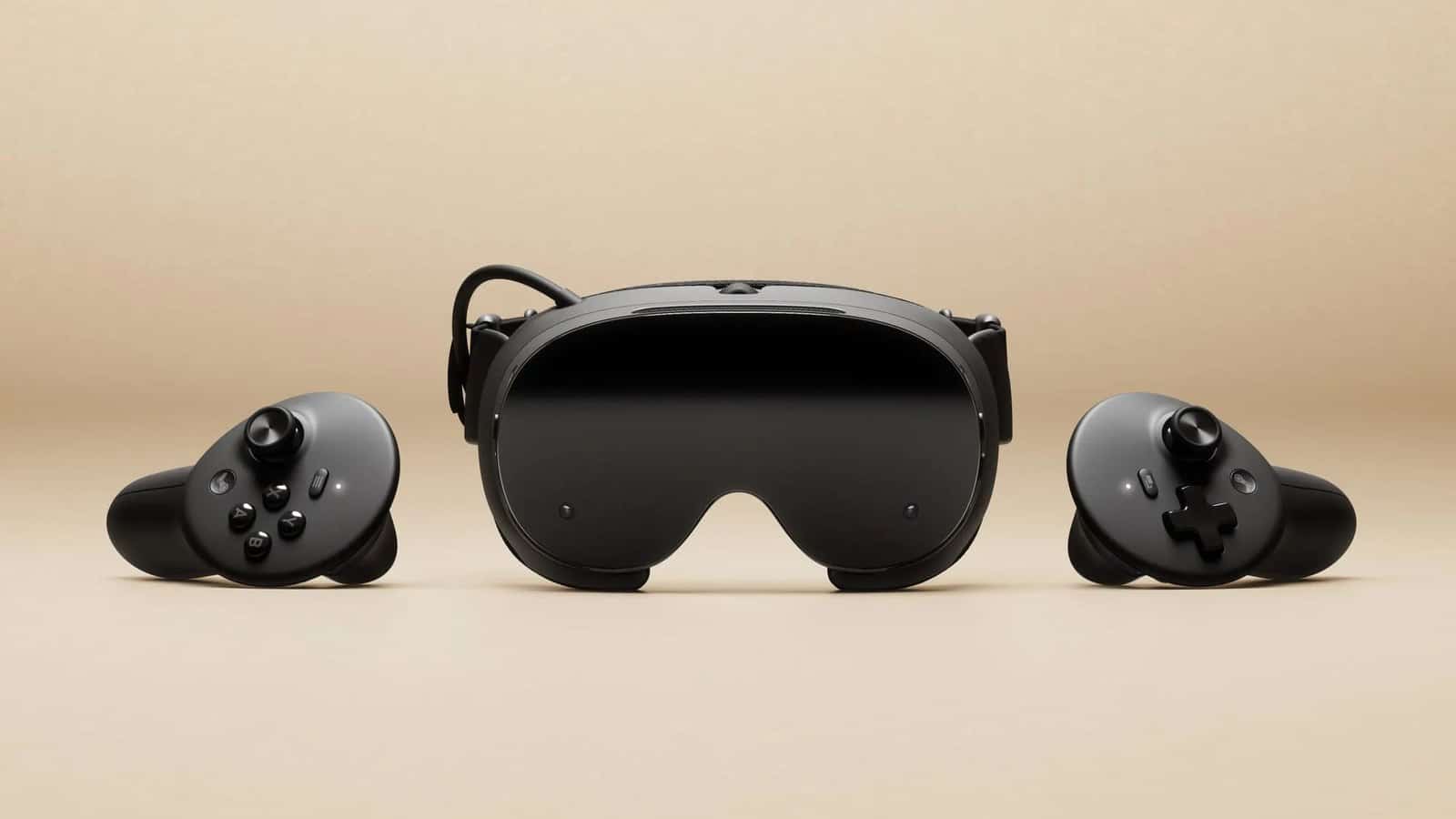
Valve has provided new details about Steam Frame availability, confirming that some customers with reservations will not receive their opportunity to purchase the VR headset until 2027. In an official Steam Hardware announcement published on October 9, the company outlined updated reservation estimates, released hardware design files, and summarized several software improvements delivered since the headset launched in September. The changes include better battery efficiency, improved wireless streaming reliability, and additional accessibility options.
Steam Frame reservations opened on September 14, followed by a one-time randomization of eligible signups on September 17. Valve began fulfilling orders on September 18, with customers receiving purchase invitations according to their positions in the randomized queues. Those holding reservations can now visit the Steam Frame product page while logged into their accounts to see whether their expected purchase opportunity falls between now and December 2026 or sometime in 2027.
Customers assigned to the 2027 group will receive more detailed information about their expected order timing by January. Valve also reiterated that purchase invitations expire after 72 hours, meaning customers must complete their transactions within that period or lose their reserved opportunity. The estimates concern when customers can place orders rather than guaranteed delivery dates, and Valve has not provided specific shipping schedules for every reservation holder.
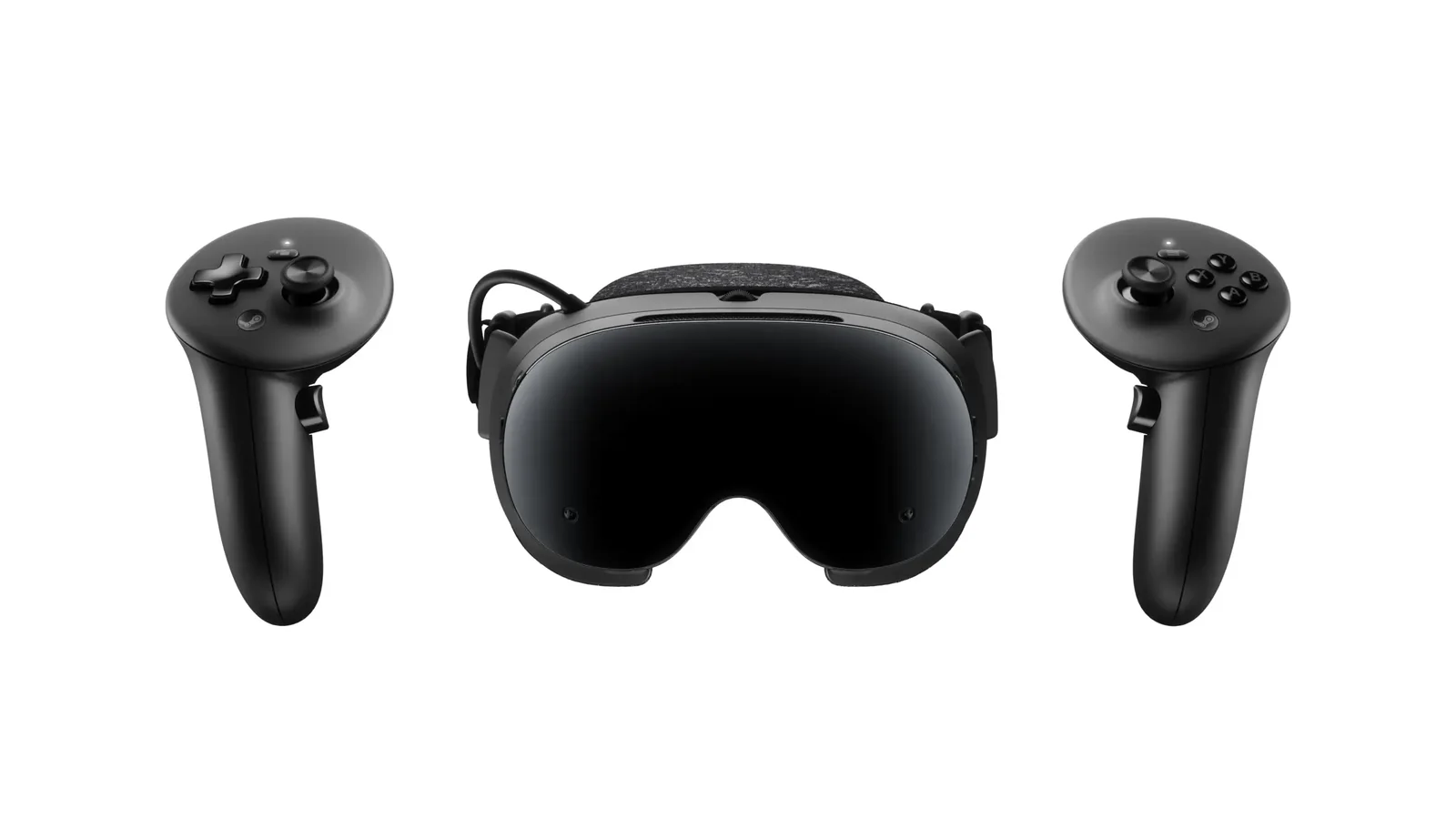
The company also clarified how its waitlist operates, explaining that customers can move into the reservation queue when additional places become available. Separate queues exist for North America, the United Kingdom and European Union, and Australia, so availability can differ between regions. Valve emphasized that waitlisted customers cannot move ahead of existing reservation holders, with each regional waitlist only being used when space becomes available in that region’s reservation queue. New customers can still join the waitlist, although they will be placed behind those who signed up earlier.
Alongside the reservation update, Valve released Steam Frame CAD files and electrical interface information for non-commercial use. The files give hardware enthusiasts and accessory developers technical resources for designing compatible attachments, modifications, and other hardware additions. Commercial use requires following Valve’s published instructions and contacting the company. Making these resources available could encourage third-party accessory development as the headset reaches more customers.
Valve also detailed several improvements to Steam Frame software, including power efficiency gains of up to 12% during both local gameplay and streaming. Actual improvements depend on the content being played and the headset’s frame rate, so the figure does not represent a guaranteed increase for every user. A new presence sensor sensitivity setting also allows the displays to remain active under a wider range of conditions, including when glasses spacers affect how the headset detects whether it is being worn.
Wireless VR streaming received multiple fixes addressing connection stability, visual quality, and audio reliability. Valve improved color clarity, resolved issues associated with the previously reported “Error 17,” and fixed wireless adapter connectivity problems affecting some countries. The company also addressed situations where other network interfaces could interfere with the dedicated wireless connection, while spectator viewing now uses smoother motion by default. These changes are particularly important because PC VR streaming is a central part of Steam Frame’s functionality.
Other improvements address the headset’s interface and compatibility with individual games. Controller bindings that previously failed to load in certain titles, including Google Earth VR and Thumper, have been fixed, while dashboard navigation, focus handling, and display stability have also received attention. Valve updated the embedded browser with crash fixes and improved Linux H.264 detection, alongside changes to audio rendering and accessibility settings that let users limit eye tracking to one eye.
The updates also highlight Valve’s continued development of its Arm-based VR platform, which operates separately from the standard Steam client. Although Valve has maintained that Steam for Linux does not officially support Arm PCs, its work on Steam Frame includes dedicated software and hardware integration for the headset.
For prospective buyers, the most significant development is the clearer reservation schedule, particularly the confirmation that some existing reservations extend into 2027. For current owners, the accumulated software changes address practical issues involving battery life, wireless reliability, game compatibility, and everyday usability. Valve has not announced how many additional Steam Frame units will become available or when every waitlisted customer can expect a purchase invitation.
