


US Representative Ritchie Torres has announced plans to introduce the Power To The Players Act, proposed federal legislation that would give consumers stronger ownership rights over purchased video games. The proposal would require games with online functionality to offer an offline mode before their supporting servers shut down, potentially allowing players to continue using games after publishers end support.
Torres, a Democratic representative from New York, announced the proposal on October 15, 2026. His office said the legislation would direct the Federal Trade Commission (FTC) to establish regulations ensuring that purchasing a video game grants ownership rather than merely a revocable license to play it.
The proposal also seeks to protect consumers’ rights to transfer and resell purchased games. These protections would challenge existing digital distribution arrangements under which customers can pay full retail prices without necessarily acquiring permanent access or transferable ownership rights.
“When you pay for a game, you should own it,” Torres said in his official announcement. He argued that consumers should retain the right to own, play and transfer their purchases, describing games that become inaccessible after server shutdowns as rentals disguised as sales.
The proposed offline-play requirement addresses a growing concern surrounding games dependent on publisher-operated servers. Under the framework outlined by Torres, developers or publishers would need to provide an offline mode before shutting down servers supporting games with online functionality.
Such a requirement could significantly affect titles that currently depend on server authentication or persistent online connections. However, the announcement does not explain how the requirement would apply to multiplayer-only games, live-service titles or experiences whose core gameplay depends on remotely hosted infrastructure.
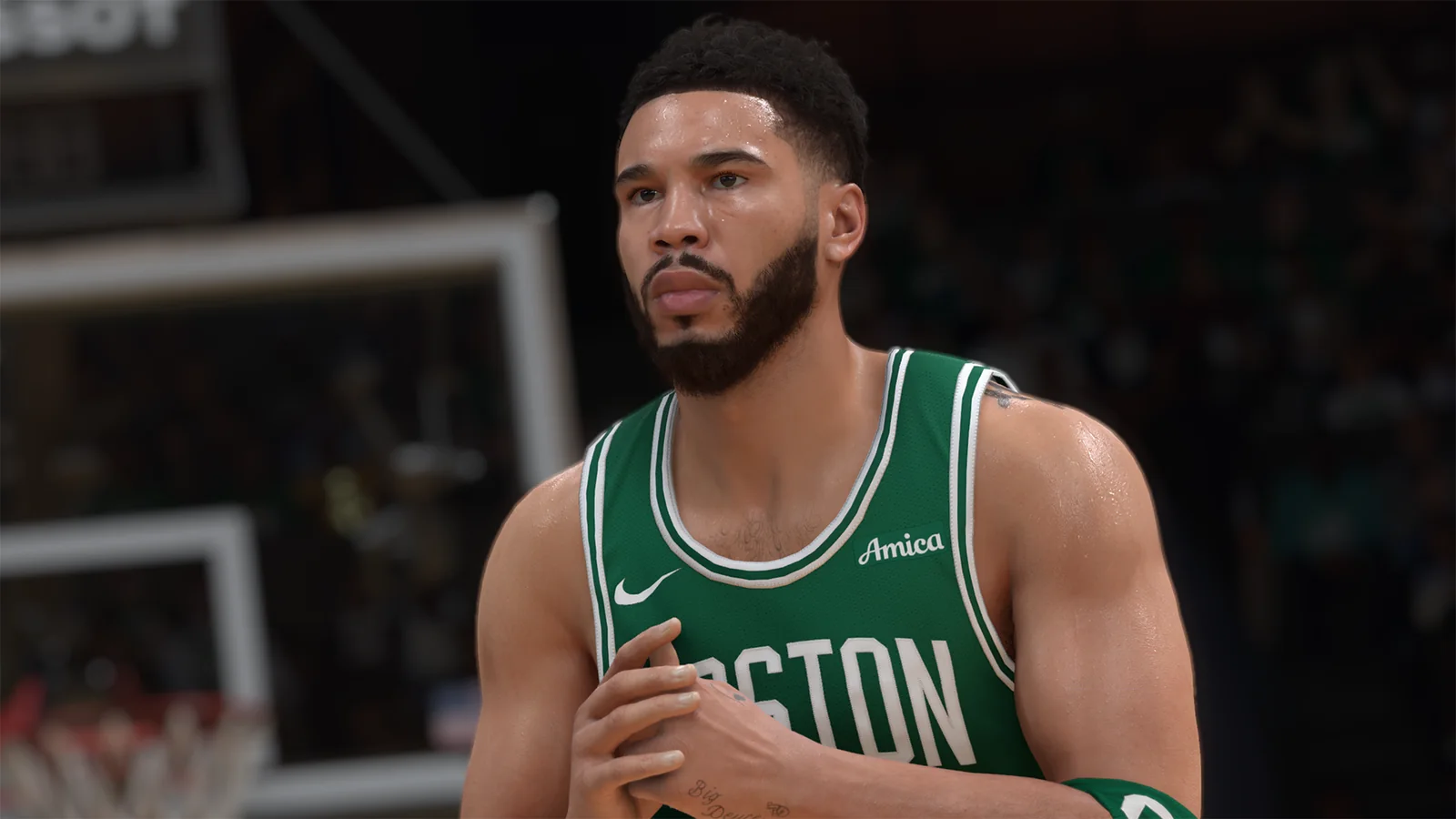
Torres specifically highlighted NBA 2K25 as an example of the problem the legislation aims to address. According to his office, the basketball game sold for $69.99 in its standard edition and $99.99 in its All-Star Edition. It is scheduled to be removed from digital storefronts on October 30, 2026, with its online servers shutting down on December 31.
The announcement raises broader questions about what consumers actually retain when purchasing digitally distributed games. Storefront removal does not always mean existing owners immediately lose access, but online-dependent titles can become unusable when the infrastructure necessary to run them disappears.
Digital availability has already become a significant concern for game preservation. The apparent delisting of Trover Saves the Universe across major digital storefronts illustrates how games can disappear from purchase listings, although delisting and the loss of access for existing owners are separate issues.
The proposed legislation also shares concerns raised by the Stop Killing Games movement, which has campaigned for publishers to leave games in a playable condition after official support ends. Ubisoft’s shutdown of The Crew in 2024 became a prominent example in the wider debate over whether consumers should permanently lose access to purchased games when online services are discontinued.
Unlike proposals that would require publishers to operate servers indefinitely, Torres’ announcement focuses on providing offline functionality before shutdowns. Nevertheless, implementing such requirements could present technical challenges for games designed around online multiplayer, server-side progression or persistent shared worlds.
Important legislative details remain unresolved. Torres’ October 15 announcement stated that he would introduce the bill, rather than confirming that it had already been formally filed. As of October 19, a publicly available bill number and full legislative text have not been established.
Consequently, the precise definitions of ownership, potential exemptions, enforcement mechanisms and treatment of existing purchases remain unclear. The announcement also does not establish whether the proposed protections would apply retroactively to games already sold or discontinued.
The Power To The Players Act therefore does not currently change the licensing terms of games purchased through Steam, PlayStation, Xbox or other digital storefronts. For the proposed protections to become enforceable federal requirements, legislation would need to be formally introduced, advance through Congress, become law and undergo any necessary FTC rulemaking.
For now, the proposal establishes a federal legislative effort to address digital game ownership, resale rights and continued access after server shutdowns, with its eventual scope dependent on the legislation’s final wording and progress through Congress.
