


France’s National Assembly has approved an amendment proposing a €0.055 tax on every gigabyte of data delivered to internet users in the country. The measure, passed on October 30, 2026, could significantly increase distribution costs for digital games, downloads and updates if it becomes law.
The amendment passed by a narrow 11-to-10 vote during discussions over France’s 2027 budget. However, the proposal faces opposition from the French government and has not completed the legislative process. No new tax is currently being collected under the measure.
Introduced by Socialist Party lawmaker Laurent Lhardit, amendment I-1358 proposes taxing companies that deliver digital content based on the amount of data transmitted to French internet subscribers. The charge would fall on content providers rather than directly on internet users.
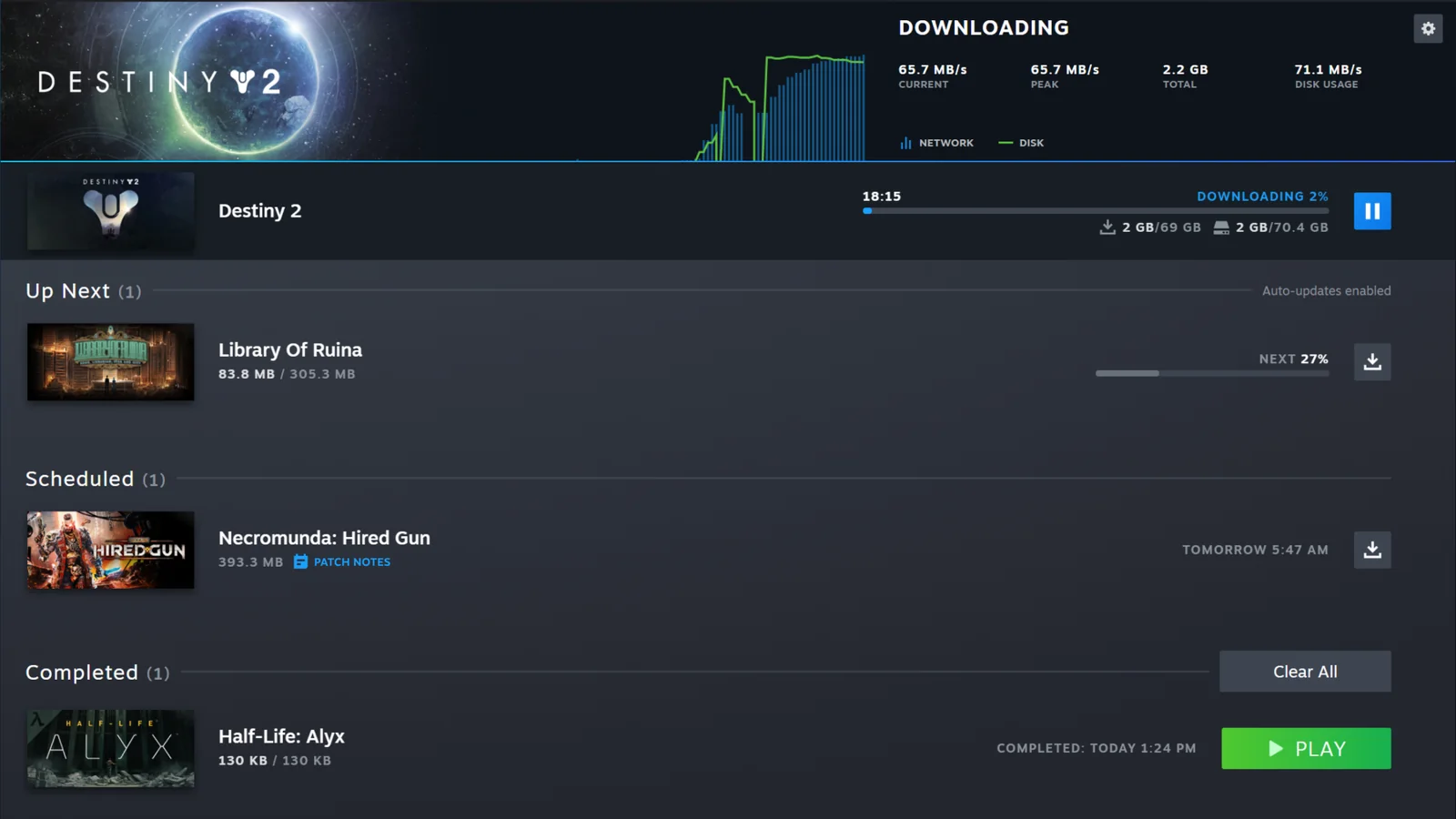
For gaming companies, the financial implications could be substantial. A hypothetical 100GB game download would generate a €5.50 tax liability at the proposed rate, while a 150GB download would amount to €8.25 before any applicable limits.
The issue was raised directly during the National Assembly’s October 30 proceedings. French lawmaker Denis Masséglia warned that the proposed tax could indirectly affect video game prices, using several gaming-related examples to illustrate the potential costs.
Masséglia cited a hypothetical 210GB Grand Theft Auto VI download, which would generate an €11.55 charge under the proposed rate. That calculation is an illustration rather than confirmation of GTA VI’s final download size or an additional fee players would have to pay. Rockstar has continued sharing information about GTA VI's characters and open world, but the tax calculation does not establish the game’s actual installation requirements.
The proposal could also affect PC gaming platforms such as Steam, where digital game distribution depends on transferring substantial amounts of data. Downloads, patches and updates could all contribute to taxable traffic, depending on how the legislation is ultimately implemented.
The proposed system would require internet service providers to collect anonymized information about the amount of data delivered to customers and identify the companies responsible for sending it. Those figures would then be submitted to French tax authorities.
Importantly, internet service providers would not be responsible for paying the tax itself. The obligation would instead fall on the companies transmitting the content.
The amendment also specifically addresses content delivery networks, or CDNs, which distribute files through servers located closer to end users. Under the proposal, traffic delivered through these networks would be counted using the data leaving the CDN.
Such infrastructure is relevant to digital gaming because large game files and updates are frequently distributed through geographically dispersed delivery networks.
The proposal includes a tax ceiling intended to account for businesses that transmit large amounts of data relative to their revenue. Its text specifies limits corresponding to 15% of revenue generated in France or 2% of total worldwide revenue. The amendment explicitly identifies video games and video-on-demand services as sectors where data volumes can be particularly high compared with revenue.
Its supporters estimate that the tax could generate approximately €10 billion in annual revenue. They argue that charging companies based on data traffic would ensure major international technology businesses contribute more to French public finances.
However, the proposal has encountered significant opposition. During the parliamentary debate, France’s government objected to the technical requirements involved in measuring traffic and warned that smaller content providers could also face substantial financial burdens.
The National Assembly approved the amendment despite those objections. Of the 35 lawmakers participating in the recorded vote, 21 cast votes for or against, with 11 supporting the measure and 10 opposing it.
Approval of an amendment does not mean the tax has become law. The broader 2027 budget must continue through France’s legislative process, during which the provision could be modified or removed.
For players, there is currently no confirmed change to digital game prices, download charges or subscription costs. Although publishers and distribution platforms could potentially pass additional expenses on to customers, no such price increases have been announced as a consequence of this proposal.
The immediate development is therefore a legislative vote rather than an implemented charge. Whether the proposed data tax ultimately affects gaming downloads in France will depend on whether it survives the remaining budget negotiations and becomes law.
